The Emotional Impact of Decluttering: How an Organized Space Can Improve Your Well-Being
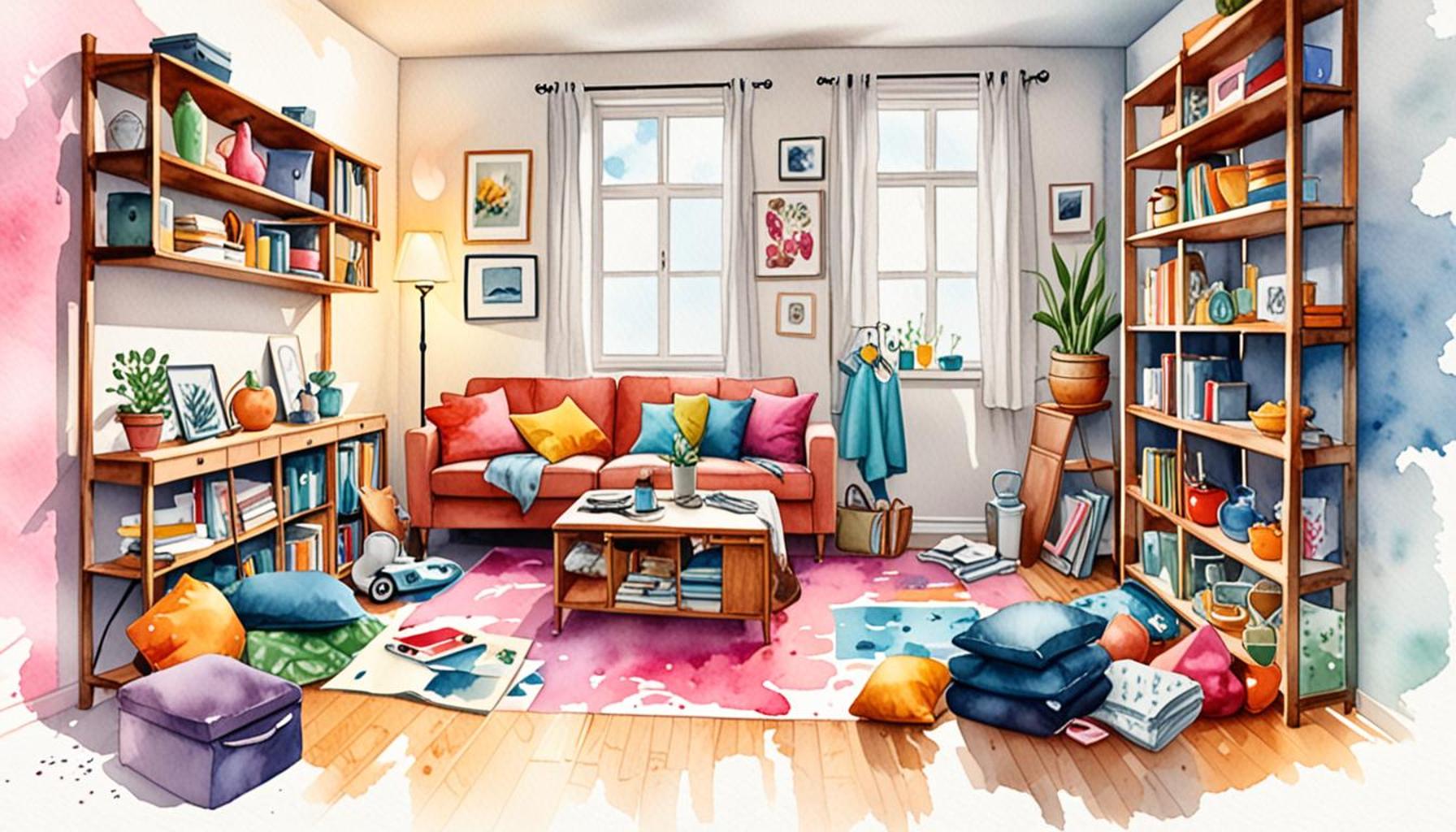
Understanding the Emotional Benefits of Decluttering
In today’s fast-paced world, the chaos of our surroundings can significantly affect our emotional state. As our living spaces become cluttered, it’s not just our homes that suffer, but also our mental well-being. Studies show that an organized environment can lead to enhanced focus, reduced stress, and improved mood. The environment we inhabit profoundly impacts our daily experiences, especially in a vibrant and bustling country like Nigeria, where life’s demands can feel overwhelming.
The Science of Decluttering
Psychologically, the act of decluttering creates a beneficial shift in our mindset. For instance, research from the Princeton University Neuroscience Institute suggests that clutter can actually impede our ability to focus. When you declutter, your mind can function better, leading to improved mental clarity. A tidy space allows for clearer thoughts and deeper concentration, beneficial for professionals working in Nigeria’s competitive job market.
- Improved mental clarity: A meticulously organized office or study area promotes deeper concentration, enabling better productivity and creativity. Imagine a workspace free from distractions where ideas flow effortlessly.
- Reduced anxiety: Overwhelming visual stimuli can heighten stress; decluttering creates a calming environment. In Nigerian cities, where the hustle and bustle can be intense, a serene personal space can make a significant difference in managing daily stressors.
- Sense of accomplishment: Completing the decluttering process provides a feeling of achievement akin to winning a small victory, thus boosting self-esteem. This can be particularly powerful for individuals facing various challenges and looking for ways to build confidence.
Cleansing Your Space, Refreshing Your Mindset
Imagine entering a room that evokes tranquility rather than chaos—an environment that supports your emotional health instead of hindering it. For many Nigerians, the clutter can often be a reflection of a hectic lifestyle, making it crucial to carve out time to create peaceful spaces. Dive into your bedroom, office, or communal areas, and witness how such changes can lead to greater harmony in your life.
Embracing the Benefits
Understanding the emotional impact of decluttering is vital. Transforming your surroundings can set the stage for a more balanced and fulfilling life. Take the first step—perhaps starting with a single drawer or shelf—and notice how even small decluttering efforts can enhance your quality of life. As you embrace an organized breath of fresh air, you’ll likely find that the benefits extend beyond your physical space into your overall well-being, making your home not just a place to live, but a sanctuary for renewal.
ADDITIONAL INSIGHTS: Expand your understanding here

The Ripple Effect of an Organized Space
As the saying goes, “A cluttered space leads to a cluttered mind.” This age-old adage holds true in today’s modern world, where distractions are abundant and the pressure to succeed can feel immense. In Nigeria, where the hustle and bustle of urban life can quickly overwhelm even the most resilient individuals, maintaining an organized space is not just practical—it’s essential for our mental health and emotional equilibrium.
The Link Between Clutter and Mental Health
The correlation between clutter and mental health is a subject of increasing interest among psychologists and researchers. Studies indicate that sustained exposure to clutter can create feelings of anxiety and overwhelm, leading to a heightened sense of stress. In fact, a report by the Journal of Environmental Psychology notes that individuals who work in organized environments report lower levels of fatigue and emotional exhaustion. This finding underscores the importance of creating serene spaces, especially in densely populated cities like Lagos or Abuja, where chaos can easily become a daily reality.
- Boosted Emotional Resilience: When your space is organized, you gain a greater sense of control over your environment, which can bolster your emotional resilience. This is particularly vital in Nigerian households, where multiple responsibilities often create additional stress.
- Enhanced Productivity: An organized workspace contributes significantly to productivity; employees are more likely to focus and complete tasks efficiently. This is especially relevant for the burgeoning tech industry in Nigeria, where innovation thrives in cleaner, distraction-free environments.
- Improved Relationships: Living in a clutter-free home can foster better relationships with family members or roommates. When shared spaces are tidy, it encourages a harmonious living situation, reducing conflicts that often arise from disarray.
Shifting Your Perspective on Clutter
To embark on a decluttering journey, one must first shift their perspective on clutter. Rather than viewing it as a daunting task, consider it an opportunity for self-improvement and emotional cleansing. By breaking tasks into manageable segments, even small changes can lead to significant improvements in well-being. Imagine starting with just one corner of your living room or a single drawer in your kitchen: the satisfaction that accompanies each completed area reinforces the psychological benefits of decluttering.
The Transformative Effects of a Tidy Space
Decluttering is not merely an act of cleaning; it serves as a pathway to emotional renewal. Each item you remove from your life represents a decision made, a weight lifted. As you proceed, acknowledge the emotional impact of decluttering on your sense of self and well-being. The act of organizing transcends physical spaces, often resulting in improved clarity, purpose, and emotional stability that resonate in all aspects of life.
| Emotional Benefits | Organizational Strategies |
|---|---|
| Reduced Stress Levels | Implementing systematic decluttering methods can lead to significant reductions in anxiety. |
| Enhanced Focus and Clarity | Organized spaces promote mental clarity, helping individuals concentrate better on tasks. |
| Improved Mood | A clean, organized environment can elevate mood and foster feelings of happiness. |
| Increased Sense of Control | Decluttering enables individuals to regain control over their environment. |
The emotional impact of decluttering is profound and multifaceted. Studies indicate that decluttering can lead to reduced stress levels. This occurs as an organized space reduces stimuli and distractions, allowing individuals to focus more effectively. Furthermore, an orderly environment contributes to enhanced focus and clarity, enabling individuals to engage more deeply with their personal and professional tasks. Moreover, maintaining a tidy space can lead to an improved mood, with the physical environment directly influencing emotional well-being. When clutter is removed, individuals often experience a sense of increased control over their surroundings, translating into higher self-esteem and motivation. Delving deeper into the practices of organization can uncover even more benefits that extend from individual well-being to broader impacts on lifestyle choices and emotional health. Embracing these principles could lead anyone towards a transformative experience, unlocking the potential of a well-organized life.
YOU MAY ALSO LIKE: Read read another article
The Psychological Liberation of Letting Go
Beyond the immediate effects of an organized space, the process of decluttering can lead to a profound sense of psychological liberation. The act of letting go of items that no longer serve a purpose in our lives can evoke feelings of lightness and clarity. In a fast-paced setting like Nigeria, where the pressure to accumulate often drives us, this process can be particularly empowering. As you remove surplus belongings, you create room not just for a more serene environment, but also for new opportunities and experiences.
The Emotional Weight of Possessions
Many people attach sentimental value to their possessions, believing that they represent memories and milestones. However, research suggests that holding onto too many items can implicitly burden us. According to a study published in the Journal of Consumer Research, individuals who identify strongly with their possessions often experience greater anxiety and lower emotional well-being. This can be especially poignant in Nigerian communities where family heirlooms and gifts hold deep personal significance. Learning to detach from material items offers a unique pathway to emotional healing.
- Empowerment through Decision-Making: Each item determined to be kept or discarded is a decision that can enhance self-esteem. This newfound ability to make choices can translate to better decision-making in other areas of life, fostering an overall sense of competence.
- The Joy of Minimalism: Embracing a minimalist lifestyle, even on a small scale, can shift one’s focus from accumulation to appreciation. This shift can help cultivate gratitude for what is genuinely necessary, thereby boosting overall happiness.
- Creating a Positive Energy Flow: In psychological practices, such as feng shui, uncluttered spaces are believed to create positive energy flow. In Nigeria, where communities often come together for gatherings, a clean and organized environment can enhance social interactions, fostering positive relationships.
Nurturing Mindfulness through Decluttering
Decluttering also offers an unexpected avenue to practice mindfulness—the act of being present and fully engaging with the moment. When individuals intentionally sift through their belongings with care, they adopt a mindful approach that can decrease anxiety and improve emotional regulation. Engaging in this process allows individuals to reflect on their past, recognize their present needs, and envision their future.
Consider a typical Nigerian household where families are constantly trading items—clothes, furniture, or kitchenware. This cyclical sharing reflects the communal spirit but can also lead to an overall accumulation of unnecessary items. By embracing decluttering, families can cultivate meaningful interactions, promote an awareness of their needs, and strengthen their ties within the community. The ritual of examining and choosing what stays or goes can enhance bonds among family members, making everyone a part of the emotional decluttering journey.
The Role of Decluttering in Stress Relief
Reduction of stress is one of the most significant emotional benefits of decluttering. When an environment is organized, it inherently becomes less overwhelming, allowing individuals to unwind and relax. Research indicates that a tidy living space can mean an end to the cycle of stress that clutter often induces. For many Nigerians juggling economic pressures, career obligations, and family responsibilities, fostering a calming environment can lead to a significant improvement in mental health. Simple practices, such as dedicating just fifteen minutes a day to tidy up, can eventually lead to greater emotional balance.
As decluttering takes root within the fabric of daily life, the ripple effects extend far beyond the physical space, serving as a powerful catalyst for emotional renewal and stability. This transformative journey not only impacts individual well-being but can also ripple outward, influencing families and communities towards greater mindfulness and harmony.
RECOMMENDED: Check out this similar article
Conclusion: Embracing the Emotional Benefits of Decluttering
As this exploration into the emotional impact of decluttering reveals, the journey towards an organized space transcends mere aesthetics—it fosters profound emotional and psychological benefits. The act of stripping away the excess and embracing intentional living enables individuals to experience a newfound sense of clarity that resonantly echoes in their well-being. Each item we discard not only lightens our physical environment but also cultivates a significant reduction in emotional weight—a pivotal step towards enhanced mental health.
Moreover, adopting a mindful approach to decluttering encourages self-reflection, nurturing an environment ripe for growth and opportunities. By focusing on essential possessions, individuals cultivate gratitude, which further bolsters emotional resilience. The insights drawn from this process reinforce the notion that an organized space is not just a serene backdrop, but a cornerstone for improving overall happiness. In Nigerian households, the communal aspect of decluttering enhances familial ties, fostering connection and shared experiences.
With evidence supporting the ripple effects on both individual and communal levels, this transformative practice offers an empowering pathway to managing stress and achieving emotional tranquility. As you embark on the journey of decluttering, consider it an investment in your emotional well-being—one that paves the way for a more mindful, harmonious life.
Ultimately, embracing the practice of decluttering may very well be the key to unlocking not just a clean space, but a renewed sense of purpose, vitality, and emotional clarity for you and your community.