The Art of Living with Less: How Mindful Living Can Transform Your Space
Understanding the Impact of Minimalism
In a culture that often places value on abundance, the choice to adopt a minimalist lifestyle can appear countercultural. However, this approach not only influences your physical space but also has the potential to enhance your mental well-being. Imagine stepping into a home filled solely with items that spark joy or serve a definite purpose, creating a sanctuary where tranquility reigns.
The Benefits of a Clutter-Free Environment
Clutter-free environments are known to lead to clearer thinking. Studies have shown that excessive clutter can overwhelm the senses and increase stress levels. In urban centers like Lagos, where people often lead hectic lives, minimizing distractions can significantly improve focus and productivity. The act of organizing and decluttering can serve as a mental reset, allowing individuals to reclaim control over their lives.
The Power of Intentional Living
Intentional living guides us toward a deeper connection with our belongings. By consciously selecting what we keep and what we discard, we cultivate gratitude for the items that truly matter. This could range from a cherished family heirloom to a simple, well-crafted chair. By asking ourselves what adds value to our lives, we can prioritize authenticity over mere aesthetics.
Sustainability and Less Consumption
Embracing minimalism also aligns with a commitment to sustainability, particularly relevant in nations like Nigeria where environmental concerns are gradually gaining attention. Less consumption translates to reduced waste and a smaller ecological footprint. For instance, opting for locally made goods instead of mass-produced items can support local artisans and reduce reliance on imports. This not only strengthens the economy but also fosters a deeper connection with the community.
The Freedom Found in Simplifying
More people are discovering the freedom that accompanies a simplified lifestyle. Transitioning from a focus on possessions to valuing experiences allows individuals to explore a world filled with adventure and personal growth. This holistic shift towards wellness encompasses not just aesthetics but a pervasive sense of liberation.
Mindful Living in Daily Routines
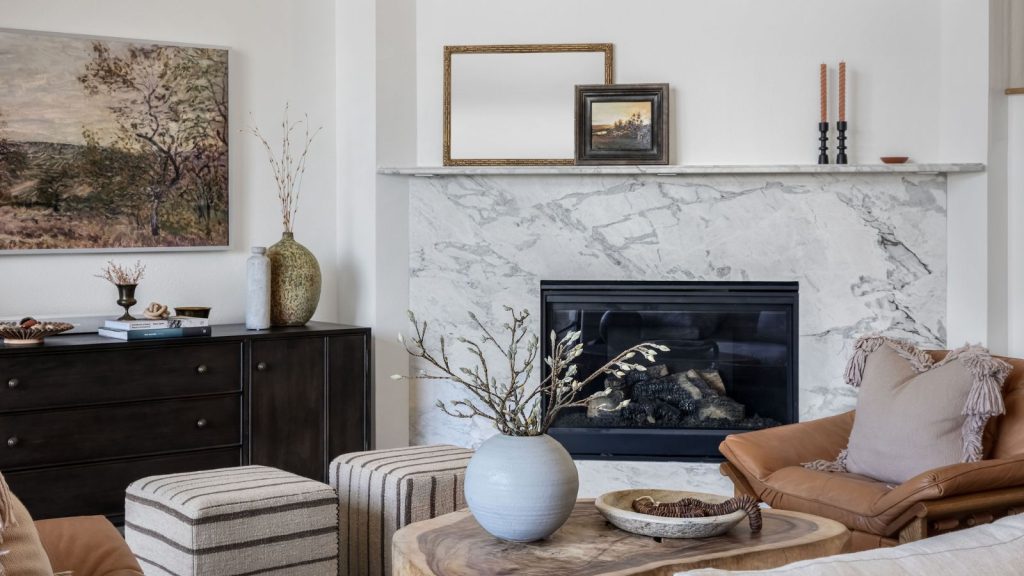
Consider how mindfulness can transform your daily routines. A well-organized space enhances productivity, reduces stress, and invites relaxation. As you navigate the journey toward minimalism, ask yourself:
- What items truly matter to me?
- How can I create a space that reflects my values?
- Am I ready to embrace simplicity for a richer life experience?
Join us as we uncover the intricacies of minimalism and explore how to shape a space that resonates with both peace and purpose. The journey to mindful living is not merely about reshaping your surroundings; it fundamentally changes how you experience and interact with the world around you.
CHECK OUT: Click here to explore more
Exploring the Essentials of Mindful Living
At its core, mindful living revolves around the practice of being fully present in each moment while intentionally curating your environment. This means reevaluating not just the physical items around you but also the thoughts and routines that shape your day-to-day life. In places like Lagos, where the rapid pace of life can often lead to disarray and distraction, implementing mindful living strategies can prove transformative.
The Significance of Personal Reflection
The first step in the journey toward minimalism is engaging in personal reflection. Taking the time to assess what truly enriches our lives allows us to differentiate between mere possessions and essential items that serve a purpose or evoke joy. This practice involves examining the emotional ties we have to certain belongings. For instance, holding onto clothing that no longer fits or gadgets that have become obsolete can weigh us down mentally and physically.
Creating a Vision for Your Space
Another vital aspect of mindful living involves envisioning how your space can be transformed. By visualizing a serene setting, you can design an environment that reflects your values and aspirations. Ask yourself:
- What atmosphere do I want to cultivate in my home?
- How can I arrange my living area to inspire creativity and relaxation?
- Which items contribute to that vision, and which ones detract from it?
By answering these questions, you guide yourself on a path toward a more harmonious environment. In Nigeria, where cultural artifacts and family traditions often shape our surroundings, identifying the pieces that resonate with our personal narrative can foster a renewed sense of appreciation.
Minimalism as a Pathway to Clarity
The process of decluttering is not merely about removing excess items but serves as a pathway to clarity. Numerous studies highlight the psychological benefits of this approach, illustrating how a streamlined space can lead to improved focus and mental clarity. In practical terms, having fewer distractions can help you concentrate more on tasks at hand—be it studying, working, or simply enjoying quiet time with loved ones. In a bustling city, where noise and chaos are inescapable, cultivating a peaceful retreat within your home is invaluable.
Experimenting with Conscious Consumption
Minimizing your belongings also invites a shift towards conscious consumption. This approach encourages you to critically evaluate your purchases—opting for quality over quantity and supporting local businesses. For example, investing in handmade furniture crafted by Nigerian artisans not only enhances your living space but also champions sustainability and community development. This practice reinforces the notion that less can indeed be more.
As you delve into these principles of mindful living, understand that the journey to simplicity is uniquely personal. Every item you keep or let go of reflects a story, a memory, and a lesson. Stay tuned as we explore practical strategies for integrating minimalism into your everyday life, ultimately creating a space that brings you peace and purpose.
| Advantage | Description |
|---|---|
| Enhanced Mental Clarity | Engaging in mindful living allows individuals to declutter both their physical and mental spaces, leading to improved focus and creativity. |
| Reduced Stress | By simplifying one’s surroundings through minimalism, individuals can experience a significant reduction in daily stress levels, promoting a harmonious lifestyle. |
| Financial Freedom | Adopting a mindful approach to consumption leads to careful spending, which can ultimately result in savings and less financial burden. |
| Greater Appreciation of Life | Mindful living encourages individuals to appreciate the present moment, fostering a deeper connection with what truly matters and enhancing overall satisfaction. |
In fostering a mindful living environment, the combination of these advantages can profoundly influence every aspect of life. The practice of living with less not only transforms physical spaces but also has the power to enrich emotional well-being. Living intentionally, focusing on quality over quantity, and making deliberate choices are the cornerstones of this lifestyle, inviting individuals to explore a more fulfilling existence. Embracing these elements can be a liberating journey towards discover a redefined sense of purpose and tranquility in their daily lives.
CHECK OUT: Click here to explore more
Integrating Mindfulness into Daily Routines
Once you have laid the foundation for mindful living through reflection and vision creation, the next step is to integrate mindfulness into daily routines. This is where the transition from theory to practice occurs, as you begin to blend the principles of minimalism into the fabric of your everyday life. In bustling urban centers like Lagos, finding moments of tranquility amidst the chaos can be invaluable.
Mindful Mornings
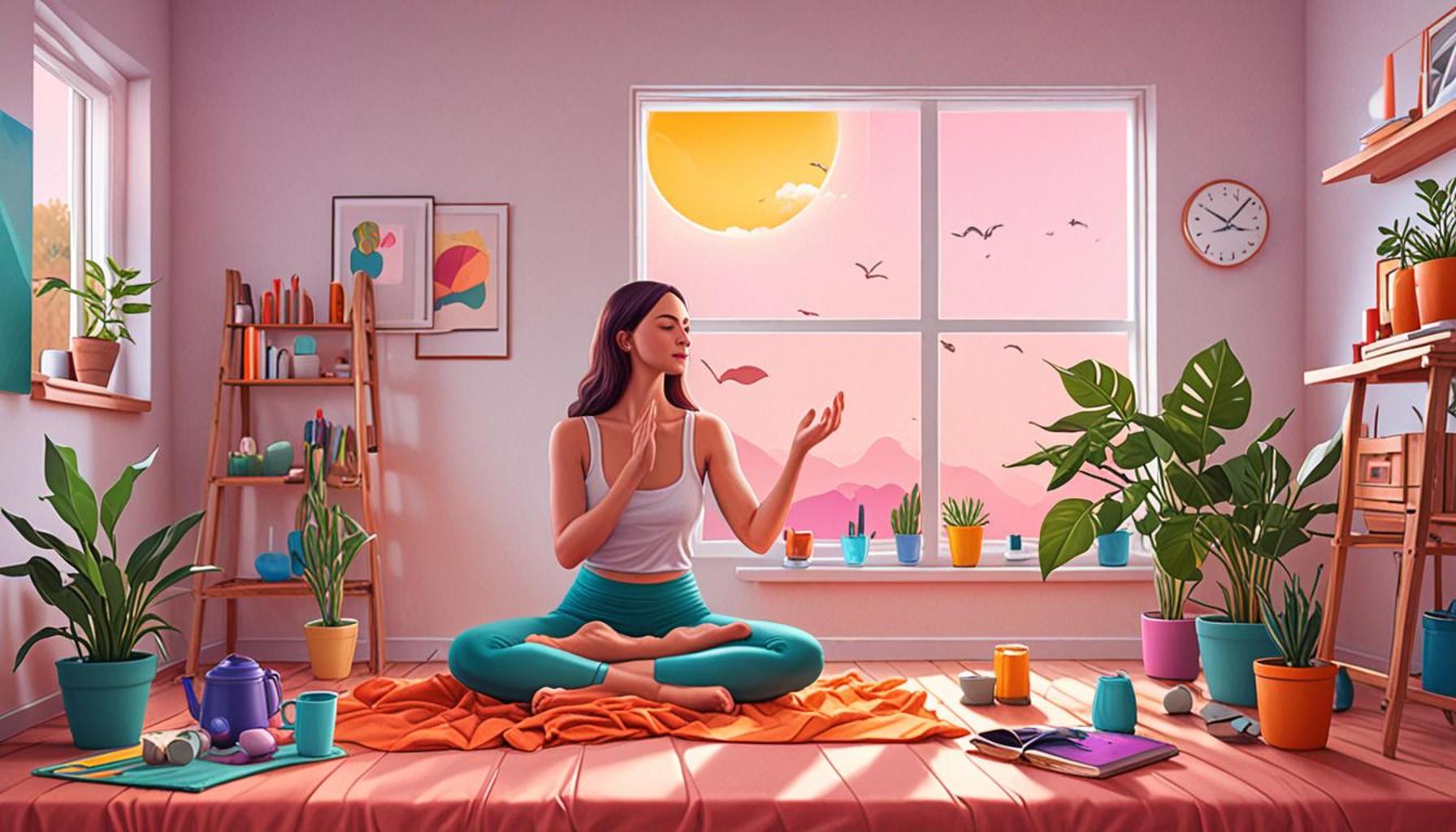
To start your day intentionally, consider adopting a mindful morning routine. Rather than succumbing to the immediate distractions of social media or the demands of work, carve out time to set a positive tone for your day. You can engage in activities such as meditation, journaling, or even stretching. These practices not only promote mental clarity but also strengthen your commitment to a minimalist lifestyle by allowing you to prioritize what is important right from the start.
Decluttering Daily
Incorporating small, consistent decluttering sessions into your daily schedule can further bolster your journey toward a mindful existence. This doesn’t necessarily mean embarking on major clean-out sessions but rather committing to tidying up incrementally. Each day, allocate just ten minutes to organize one area—be it a drawer, a shelf, or even your digital space. By gradually removing unnecessary items, you keep your surroundings fresh and your mind clear, making it easier to focus on present tasks. In local contexts, such as Nigerian homes filled with vibrant textiles and essential decor, treating your belongings with respect enhances your connection to them.
Creating Meaningful Practices
Beyond decluttering, mindful living invites the creation of meaningful practices that resonate with core values. For instance, cooking can become a meditative act instead of a mundane chore when approached with intention. By being fully present while preparing meals—savoring the aromas, colors, and textures—you not only cultivate gratitude for the food but also reinforce your commitment to living simply. This transformative practice also promotes healthy eating habits that align with the principles of minimalism, as you focus on nourishing ingredients rather than processed foods.
The Role of Nature
The integration of nature into your living space is a critical element of mindful living. Research shows that exposure to green spaces can significantly improve mood and reduce stress. For residents in Nigerian cities, incorporating plants into your home or workspace can create a soothing atmosphere that enhances well-being. Indoor plants, such as the resilient snake plant or the ornamental pothos, not only purify the air but also bring life to minimalist settings, connecting you with nature even in urban environments.
Fostering Community Connections
Embracing a community-based approach is yet another effective way to embody mindful living. Sharing experiences and engaging with others on similar journeys can provide encouragement and foster meaningful connections. Consider organizing small groups to discuss minimalism, swap items, or even host a clothing exchange in your neighborhood. This strengthens your ties with those around you while minimizing waste, promoting sustainability, and cultivating a sense of belonging that complements your minimalist lifestyle.
As you delve deeper into these practices, remember that the evolution of your space and mindset toward mindfulness is an ongoing journey. Each small step you take enriches your understanding of what it means to lead a life centered around living with less, all while creating a tranquil space that resonates with your essence.
ADDITIONAL INSIGHTS: Expand your understanding here
Conclusion
In a world where excess often feels compulsory, embracing the art of living with less through mindful practices can redefine our relationship with our spaces and ourselves. As demonstrated, integrating mindfulness into daily routines—from mindful mornings to simple decluttering—allows us to cultivate an environment that is not only aesthetically pleasing but also functional and aligned with our deeper values.
By creating meaningful practices such as cooking with intention or nurturing indoor plants, we enhance our well-being and forge a connection with the essentials of life, promoting a healthier lifestyle that resonates with the principles of minimalism. In urban settings like Lagos, where the hustle and bustle can be overwhelming, these small yet significant shifts facilitate tranquility and focus amidst the chaos.
The journey towards mindful living is, undoubtedly, a continuous process of self-discovery and connection with our surroundings. By fostering community connections, we not only share the journey with others but enrich our experiences, thus embodying a sense of belonging that enhances our minimalist lifestyle. As you reflect on the spaces you occupy and how they reflect your values, consider the profound impact of living with less—not just as a decluttering process, but as a transformative approach to creating a life filled with intention and serenity. Embrace this journey, for every small step leads you closer to a more purposeful existence that resonates with your true self.