The Art of Letting Go: How Decluttering Can Transform Your Space and Your Mind

Creating Space for Clarity and Creativity
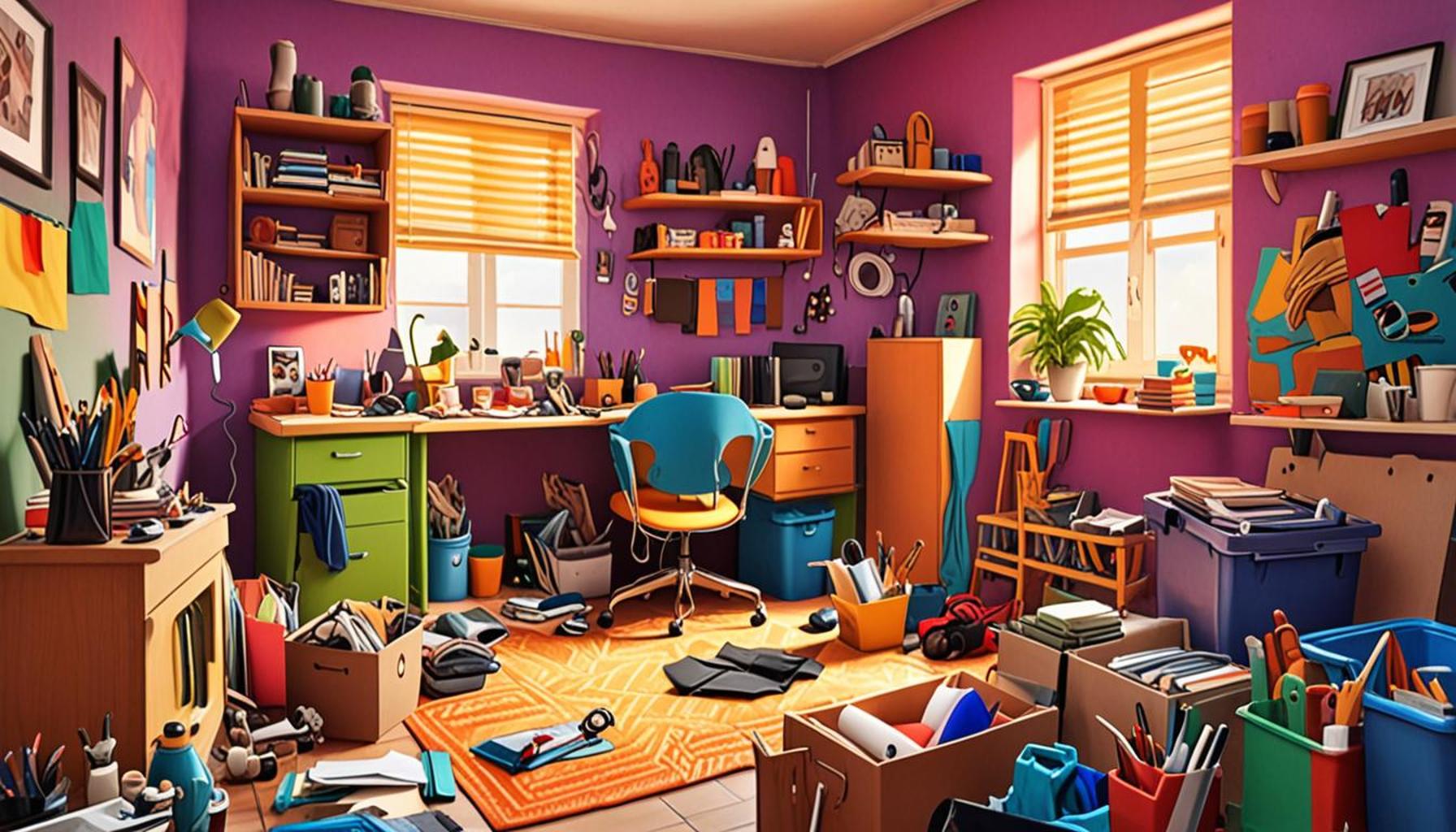
In a world filled with distractions, clutter can stifle creativity and peace of mind. The emotional toll of a chaotic environment cannot be ignored; it often clouds our judgment and hampers our creativity. Studies reveal that a disorganized space can trigger anxiety and lower productivity levels. The process of letting go not only frees your physical space but also opens the door to mental clarity. Have you ever wandered into a room overflowing with items and felt a weight on your shoulders, as if it were a literal anchor holding you back from your potential?
Consider the following:
- Items you haven’t used in over a year often hold emotional baggage. Personal belongings can carry memories, both good and bad, making it hard to part with them. For instance, a beautiful dress gifted at a wedding might remind you of a time of joy but also of a past relationship that no longer fits your current life.
- Decluttering can reduce stress and anxiety, creating a space that fosters productivity. One study found that individuals who decluttered their homes reported feeling less overwhelmed and more able to concentrate on tasks at hand.
- Less clutter means more room for positivity and new experiences. An organized environment encourages openness to fresh ideas and opportunities—it’s easier to embrace new adventures when your physical space reflects clarity.
In Nigeria, the struggle between tradition and modernity often complicates our approach to belongings. Family heirlooms, inherited crafts, or gifts from loved ones can make decluttering a profound emotional challenge. For instance, many Nigerians hold onto items like traditional attire or household objects that represent ancestral ties, further complicating the process of letting go. Yet, simplifying your environment can lead to profound transformations.
Environmental factors play a significant role in mental well-being. A clear space can improve focus and enhance decision-making. As you sort through your possessions, ask yourself: what truly adds value to your life? Is it a dusty trophy from years ago, or is it the feeling of freedom when you open your wardrobe to a few treasured, functional items?
The journey of decluttering is more than just organizing; it’s about making space, both physically and mentally. Embracing simplicity can lead to unexpected revelations and a refreshed perspective on life. Are you ready to unlock your potential through simplicity? Discover how letting go can not only declutter your surroundings but also enrich your daily existence, paving the way for a more fulfilling and organized life.
CHECK OUT: Click here to explore more
Understanding the Emotional Connections to Our Belongings
As we embark on the journey of decluttering, it is essential to delve into the emotional connections that we form with our possessions. Each item in our homes carries a story, a memory, a moment frozen in time. While these associations may provide comfort, they can also become shackles, preventing us from moving forward. Psychologists argue that our attachments to physical objects can often reflect deeper emotional states. For instance, a stack of unread books might symbolize aspirations and dreams left unfulfilled, where each book serves as a reminder of what we have yet to accomplish.
Letting go may feel daunting, but recognizing the significance of the emotional weight of our belongings can ease the process. Here are some key points to consider as you assess your possessions:
- Assess Your Attachments: Take a moment to evaluate why you hold onto certain items. Is it the nostalgia of a childhood toy or the guilt of discarding a gift from a loved one? Understanding the root of your attachment can challenge unnecessary emotional burdens.
- Prioritize Functionality: Ask yourself, “Does this item serve a purpose in my life today?” If it doesn’t fulfill a practical role or bring joy, it might be time to let it go.
- Set Emotional Boundaries: It is possible to honor memories without extensive possessions. Consider taking photographs of items that hold significant emotional value, allowing you to release the object while keeping the memory alive.
Moreover, cultural factors play an important role in the decluttering process. In Nigeria, where traditions often hold considerable weight, the struggle to let go of inherited items can be particularly pronounced. The importance of maintaining connections to heritage and family legacies can sometimes clash with the practical need for space. A grandmother’s woven Aso Oke or a traditional wooden sculpture may evoke a warmth of home, yet they can also contribute to a cluttered environment that drains energy and creativity.
By understanding these emotional threads, we can begin to untangle the complex relationships we have with our items. Instead of perceiving decluttering as a loss, envision it as an opportunity to curate your life. Each decision to release an item can symbolize letting go of outdated narratives or behaviors that no longer serve your current journey. It’s not merely about removing things; it’s about inviting clarity and fresh energy into your life.
Ultimately, the art of letting go is a transformative process that can reshape not just our physical spaces, but our very mindset. As you prepare to embark on this journey, remember that simplifying your surroundings can lead to unexpected growth and insights into what truly matters to you.
| Advantage | Description |
|---|---|
| Enhanced Mental Clarity | Decluttering removes unnecessary distractions, allowing for improved focus and creativity. |
| Physical Space Transformation | Organized spaces lead to an inviting environment, making it easier to relax and enjoy your home. |
As you delve deeper into the concept of decluttering, it’s essential to realize how profoundly it can change not just your physical environment but also your mental well-being. The transformative process unspokenly entices you to let go of material possessions that no longer serve a purpose. This process is commonly aided by techniques such as the KonMari method, where you assess items based on whether they ‘spark joy’. This practice not only liberates your space but also creates a sense of purpose.Furthermore, studies have shown that maintaining an organized space can lead to significantly reduced stress levels. An aesthetically pleasing environment fosters a sense of calm, allowing you to concentrate on tasks at hand. Contrary to common belief, decluttering isn’t merely a chore; it also encourages mindfulness and introspection, pushing individuals to reevaluate their relationships with their belongings and, by extension, with their lives. Embarking on the journey of decluttering can result in increased productivity. Imagine a workspace free from clutter, where creativity and innovative ideas can flourish without the burden of excess. By implementing strategies for deliberate decision-making regarding what to keep or discard, you can create not just an organized space, but also a revitalized mindset eager to embrace new beginnings.In this journey, you can discover the joy derived from a simplified existence and learn to cherish the essentials, encouraging growth both in your space and your mind. The art of letting go goes beyond tidying up; it is about finding harmony in life by making space for what truly matters.
YOU MAY ALSO LIKE: Read read another article
The Psychological Benefits of Decluttering
Beyond the emotional attributes of our belongings, the psychological benefits of decluttering are profound. Studies have shown that a cluttered space can lead to increased feelings of anxiety and stress. In Nigeria, where many households are often bustling with family, friends, and communal life, a tidy environment can greatly influence one’s mental well-being. The chaos of material excess can stifle creativity and productivity, while a minimalist space promotes clarity and calm.
Engaging in the decluttering process helps to foster mindfulness. The act of sorting through possessions encourages us to live in the moment, reflect on our choices, and make deliberate decisions about what to keep. For example, sitting down to reevaluate what items truly hold value allows us to focus on the present rather than being tethered to past memories or future aspirations. In a way, decluttering becomes a form of meditative practice—a means of achieving mental peace through intentional action.
- Enhanced Focus: A clear space often leads to a clear mind. With fewer distractions, individuals can concentrate better on tasks at hand, whether it be work, studies, or creative endeavors. Some Nigerians may find that reducing clutter in their homes leads to increased productivity, particularly for those working from home.
- Increased Energy Levels: A decluttered environment fosters positive energy. Many believe in the principles of feng shui, which emphasize how the arrangement of our space can impact our life force or ‘chi.’ By removing unnecessary items, we create a flow of energy that can contribute to a more vibrant lifestyle.
- Improved Relationships: Sharing living spaces can sometimes lead to conflict, especially when one person values minimalism while another clings to mementos. Decluttering can be a communal activity that strengthens bonds. Encouraging family members to participate in the decluttering process teaches collaborative values and can even lead to cherished memories during the discussions surrounding each item.
Research has indicated that physical decluttering also translates to a more energetic approach to decision-making. Cognitive scientists argue that a cluttered environment can overload the brain, making it difficult to prioritize and make decisions. Thus, when we clear our space, we not only simplify our surroundings but also reclaim mental capacity. This can be particularly relevant for young Nigerians who juggle multiple responsibilities, from school to work, allowing them to make sound and measured decisions more effortlessly.
Furthermore, decluttering serves as an opportunity for self-reflection. Each item we choose to keep or discard compels us to confront our values and aspirations. Are we holding on to clothes that no longer fit our lifestyle? Are we keeping gifts that feel more of an obligation than a source of joy? This reflection can lead to personal growth as we begin to curtail the habits that do not serve us or prioritize what truly fulfills us in our journey.
As such, decluttering is not just a matter of physical space; it is an intricate dance of psychological transformation. By embracing the art of letting go, we can foster a new mindset—one that thrives on clarity, purpose, and meaningful relationships, both with our possessions and in our lives.
LEARN MORE: This related article may interest you
Embracing Transformation Through Letting Go
In conclusion, the journey of decluttering is more than merely tidying up a living space; it is a profound transformation that impacts our mental, emotional, and social landscapes. The art of letting go empowers us to redefine our surroundings, leading to a more serene environment that fosters heightened creativity and productivity. For many in Nigeria, where the vibrancy of communal life thrives amidst familial connections, a clutter-free space can act as a sanctuary, enhancing overall well-being.
By recognizing the psychological benefits of decluttering, we can appreciate how this process invites mindfulness, encouraging us to engage with our possessions intentionally. Each item we choose to keep or release serves as a reflection of our values and aspirations. The growth arising from these choices not only shapes our living environment but also contributes to our emotional clarity and enriched relationships.
As we embrace the idea of decluttering, we invite opportunities for collaboration with family and friends, transforming a potentially mundane task into a collective experience that strengthens bonds and creates shared memories. The effects of this practice resonate far beyond our physical spaces; they ripple into our lives, empowering us to make better decisions and engage with ourselves and our communities fully.
Thus, let the art of letting go guide you toward a more fulfilling existence—where clarity reigns, creativity flourishes, and meaningful connections thrive. Start your decluttering journey today, and discover the significant transformation awaiting your space and mind.