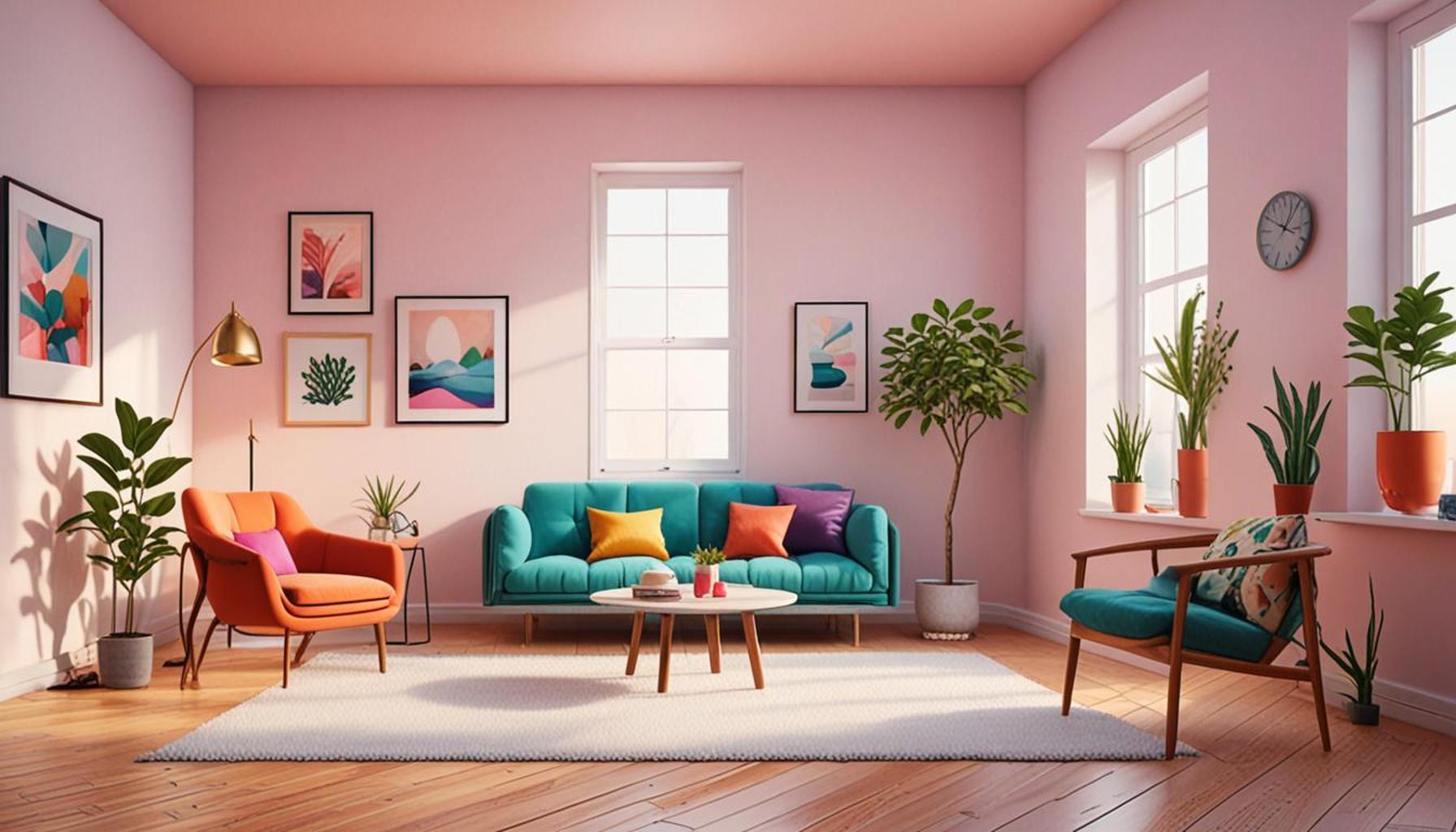
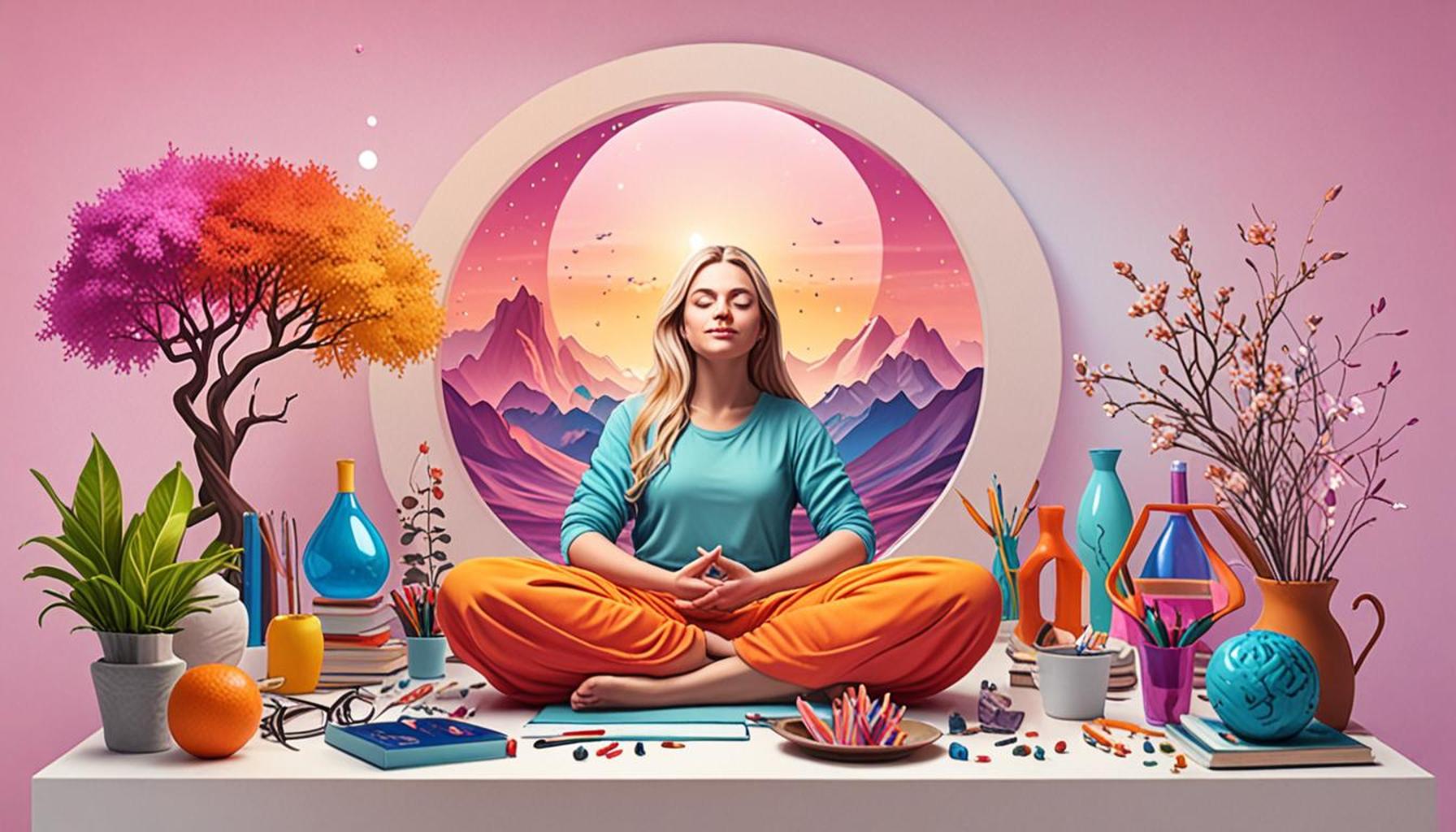
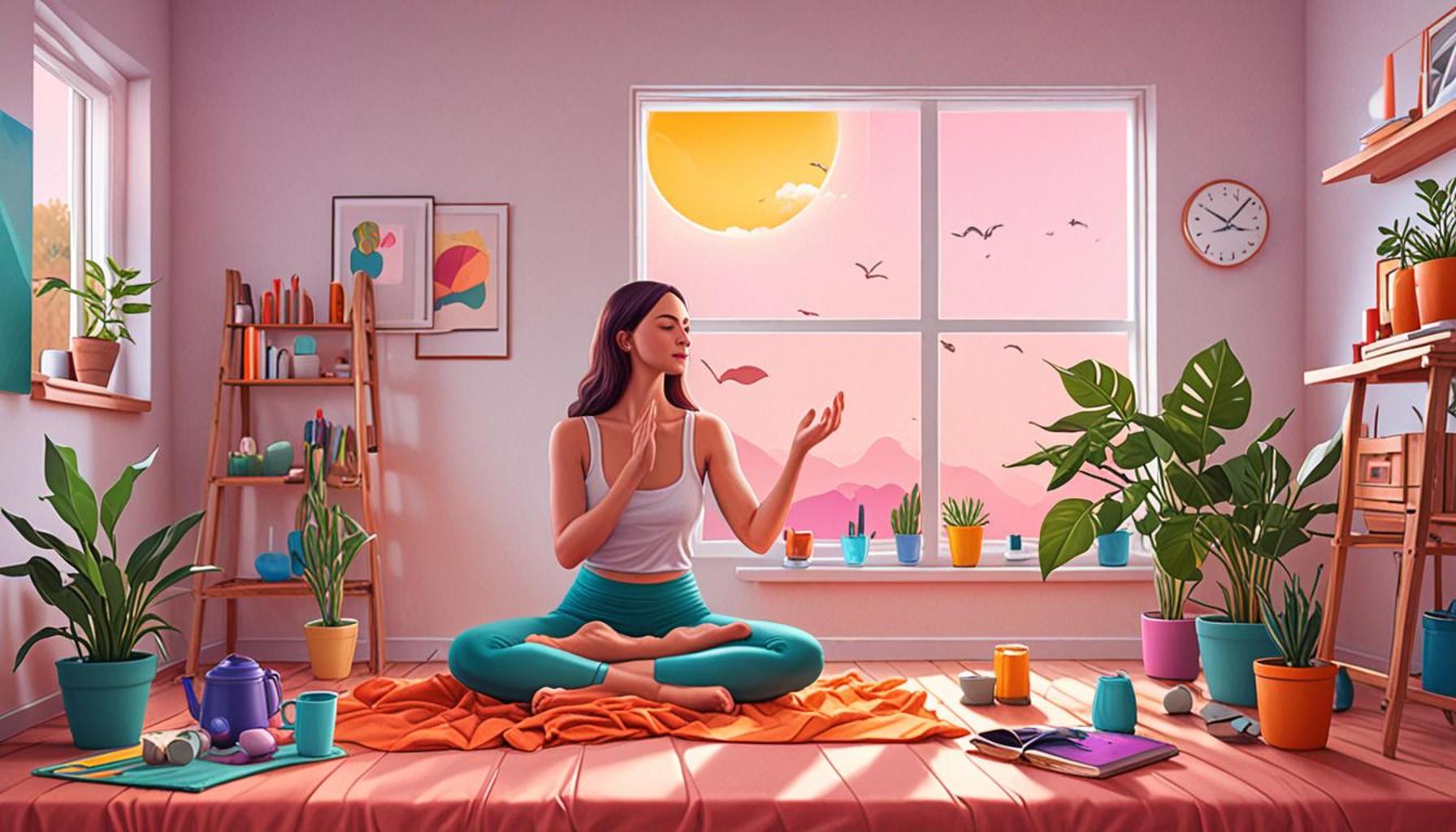
Reinventing Spaces: Mindful Living Techniques to Create Environments that Inspire Clarity and Focus
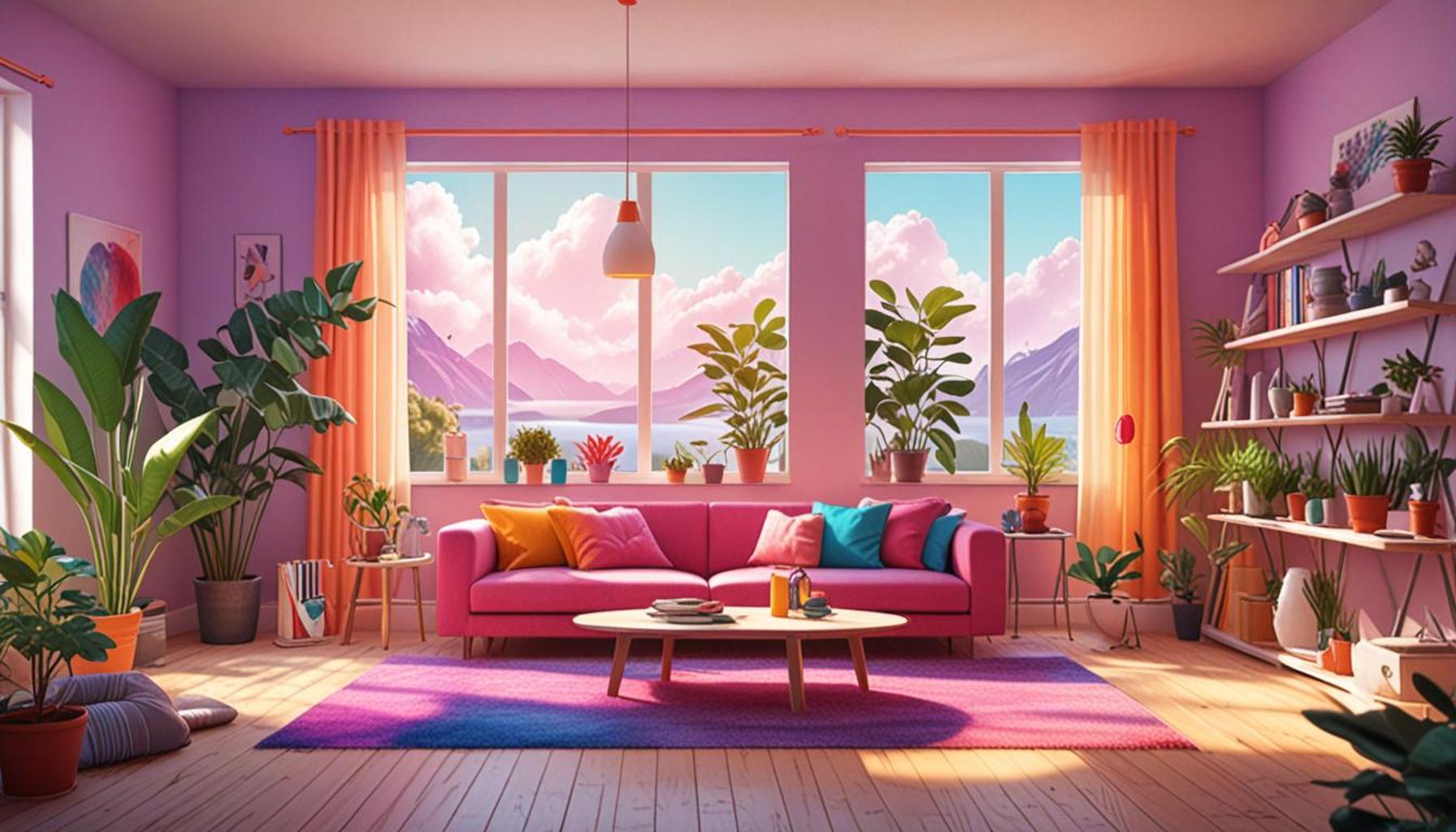
Understanding Mindful Living
In today’s fast-paced world, our environments significantly influence our mental clarity and focus. By reinventing spaces through mindful living techniques, we can convert ordinary settings into sanctuaries of inspiration and productivity. The act of mindfully arranging our surroundings can lead to profound shifts in our mental state, allowing us to engage more deeply with our tasks and creativity.
Grasping the essence of this concept is crucial for anyone looking to enhance their daily life. Here are some ways to bring mindful practices into our environments:
- Enhance focus: Begin by decluttering your space. A well-organized workspace minimizes distractions, making it easier for your mind to breathe and concentrate. For instance, clearing off your desk and organizing digital files can create a much clearer pathway for productive thought.
- Promote relaxation: Choose soothing colors and ensure ample natural light in your environment. Colors such as soft blues or earthy greens can evoke tranquility, while natural light helps regulate our body clocks. In Nigeria, utilizing local window treatments that allow sunlight to cascade in can invigorate a space, creating a refreshing atmosphere.
- Foster creativity: Infuse your space with art and personal mementos that resonate with you. These elements can serve as powerful reminders of who you are and what inspires you. Consider showcasing Nigerian art or handmade crafts that tell a story and encourage a sense of connection to your roots.
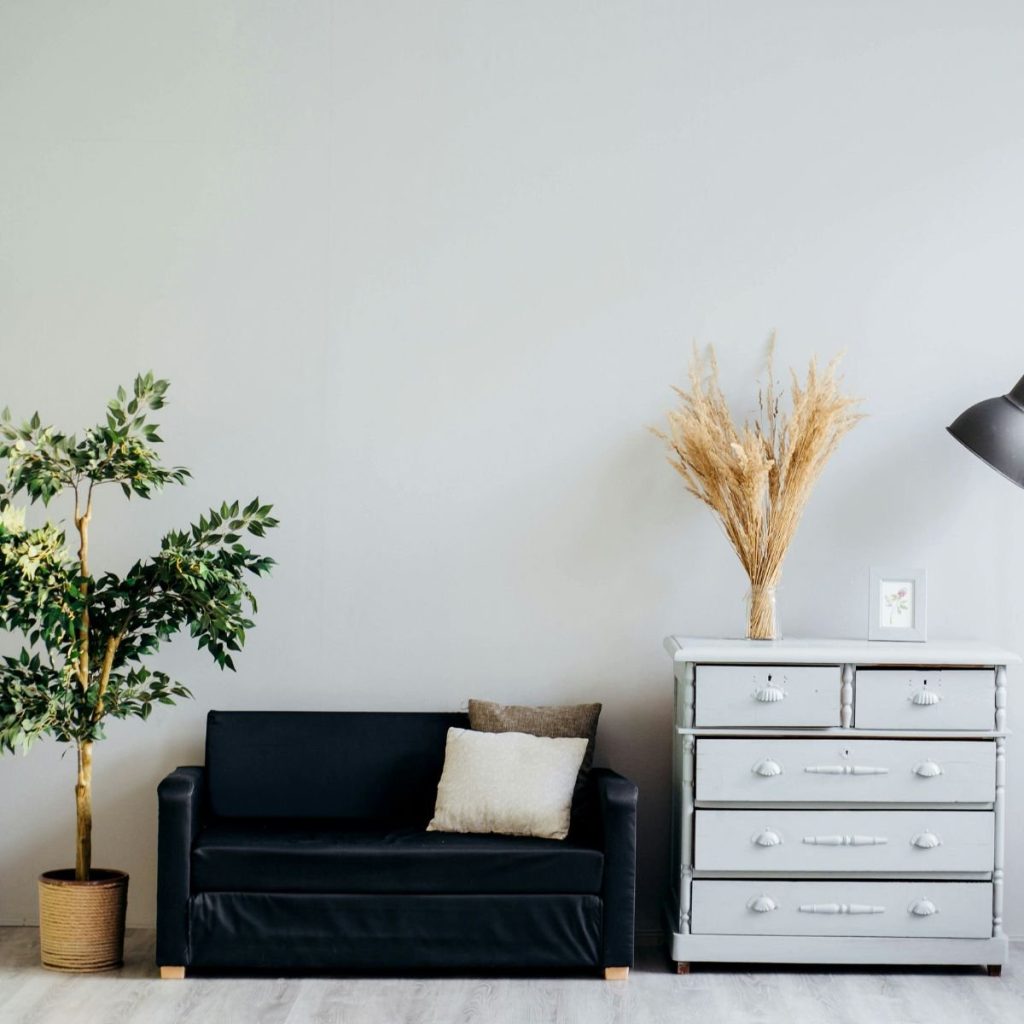
Transforming a small room into a peaceful meditation area or crafting a vibrant workspace that fosters collaboration can yield surprising results. Recognizing how every element—from furniture arrangement to decorative choices—affects our mental state is key to embracing this philosophy.
Moreover, the rich cultural diversity across Nigeria provides a unique canvas for creating mindful spaces. Leveraging local materials, such as locally woven textiles or native plants, can evoke a sense of heritage and individuality while promoting overall mental well-being.
As we delve deeper into the possibilities of mindful living, a treasure trove of techniques awaits discovery. These practices not only enrich the aesthetic appeal of our surroundings but significantly enhance our daily quality of life. Prepare to explore how even the smallest adjustments can lead to remarkable improvements in clarity, focus, and a profound sense of peace. Join us on this journey as we uncover effective strategies tailored to your specific context and aspirations.
LEARN MORE: This related article may interest you
Creating Clarity Through Space Organization
The first step towards mindful living is to create an environment that eliminates distractions and cultivates concentration. As we navigate through daily tasks, the clutter that surrounds us can overshadow our ability to think clearly. Thus, a significant component of reinventing our spaces involves effective organization. This means rethinking not just what is in our space, but how it is arranged.
To achieve this, consider the following key strategies:
- Implement the “One In, One Out” Rule: This principle suggests that whenever you bring something new into your space, whether it’s a piece of decor or an item of clothing, you must remove something old. This habit prevents accumulation and maintains a clean environment, fostering a sense of calm and order.
- Designate Functional Zones: In both homes and offices, allocate specific areas for different activities. For instance, creating a clear separation between workstations, relaxation zones, and creative spaces allows your brain to associate certain areas with their unique purposes, enhancing focus and productivity.
- Utilize Storage Solutions: Invest in organizers, shelves, and containers that align with your aesthetic while maximizing functionality. Using colorful, locally crafted baskets can not only keep items tidy but also add a touch of Nigerian artistry to your environment.
By adopting these organization techniques, your space can become a catalyst for clarity. The effect of an organized environment cannot be overstated; studies reveal that clutter can increase stress levels and hinder cognitive performance. Therefore, taking time to curate your living spaces can significantly influence your overall well-being.
Moreover, natural elements play a pivotal role in enhancing focus and reducing anxiety. Incorporating plants into your environment can purify the air and bring a piece of nature indoors. Research shows that exposure to greenery can improve concentration and creativity, making plants like snake plants and pothos excellent choices for homes and offices alike.
Incorporating local flora not only reflects cultural identity but also contributes to a mindful approach to living spaces. Consider highlighting the beautiful landscape of Nigeria by bringing in potted varieties of the rubber tree or native herbs. These plants can create a sensory connection to your surroundings and foster a peaceful atmosphere.
As we engage with our environments more thoughtfully, we can craft spaces that not only present order but also evoke a sense of purpose and calm. The interplay of organization and nature is a powerful combination that ignites clarity in our daily lives. In the upcoming sections, we will delve deeper into how color psychology and personal expression can further enhance your living spaces, promoting a holistic approach to mindful living.
| Advantages | Description |
|---|---|
| Enhanced Focus | By implementing mindful living techniques, individuals can significantly improve their concentration levels in a serene environment. |
| Reduced Stress | Creating spaces that align with personal values and tranquility can effectively diminish anxiety and promote overall well-being. |
| Increased Creativity | A thoughtfully arranged area can stimulate inspiration, encouraging individuals to think outside the box and innovate. |
| Improved Well-being | Emphasizing natural light, plants, and a clutter-free layout can foster a more harmonious living experience, enhancing emotional health. |
In the journey of reinventing spaces, the benefits of mindful living techniques extend far beyond aesthetic appeal. The creation of an environment that inspires clarity not only enhances productivity but also nurtures mental health. Integrating elements such as calming colors, natural materials, and open designs encourages a peaceful mindset, allowing individuals to immerse themselves in their daily tasks with greater ease. Emphasizing personal connections to space can cultivate deeper emotional fulfillment, fostering a sense of belonging.Furthermore, studies suggest that incorporating nature into design—through biophilic elements—can emotionally stabilize individuals, improving cognitive function. Adopting these mindful approaches is not just a trend; it is an essential response to modern life’s fast pace, advocating for spaces that truly reflect our inner selves. Discovering and implementing these transformative concepts can only enrich our understanding of thoughtful living environments.
CHECK OUT: Click here to explore more
The Impact of Color and Personal Expression
In the quest for mindful living, another critical element to consider is the use of color psychology. The hues that surround us can significantly affect our mood, behavior, and cognitive functions. By intentionally choosing colors that evoke clarity and focus, we can enhance our productivity and emotional state within our spaces.
Bright, energizing shades like yellow and orange can stimulate creativity and innovation, which is essential in workspaces or areas dedicated to personal growth. On the other hand, calming colors such as blues and greens promote tranquility and focus, making them ideal for relaxation or meditation zones. In Nigerian culture, colors are often steeped in meaning and can tell a story; therefore, selecting color palettes that resonate with personal and cultural significance can create a deeper connection to your environment.
To incorporate color wisely, consider painting an accent wall or using colored furniture pieces that reflect your personality and purpose. For instance, a vibrant coral wall can create an inviting space for collaboration, while soft sage might be perfect for a serene reading nook. The objective is to use color to foster an atmosphere that aligns with the daily energy you wish to embody.
Furthermore, personal expression can play a pivotal role in how we experience our environments. Surrounding ourselves with items that reflect our identity—be it through art, family photographs, or mementos from travels—can enhance our sense of belonging and purpose. These personal artifacts not only contribute some aesthetic value but also serve as daily reminders of our journey, aspirations, and cultural heritage.
In Nigeria, where art and craftsmanship reign supreme, showcasing local art forms can be especially impactful. Consider displaying a colorful beaded wall hanging or a vibrant painting by a local artist. Such expressions not only add unique charm but also help foster a connection to your community and culture, enriching both the visual appeal and emotional resonance of your spaces.
Engaging with local artisans or markets can provide access to beautiful handmade pieces that tell a story and stimulate conversation. Transforming your environment into one filled with personal and cultural significance can lead to enhanced self-awareness, clarity, and focus in your daily life.
As we examine the intersection of color and personal expression, it becomes evident how influential these elements are in shaping our mental landscapes. By mindfully selecting colors that energize or soothe and by incorporating artifacts that express who we are, we create environments that not only inspire clarity but also serve as a canvas for our personal and cultural narratives. The journey into mindful living continues to unfold as we explore how lighting and sensory experiences can further elevate the spaces we inhabit.
CHECK OUT: Click here to explore more
Conclusion: Cultivating Mindful Environments
In our journey to embrace mindful living, the spaces we inhabit play a pivotal role in shaping our mental and emotional landscapes. As we have explored, design techniques such as the thoughtful use of color, the integration of personal expression, and the incorporation of meaningful artifacts can significantly enhance our environments, promoting clarity and focus.
Creating spaces that resonate with our identities and aspirations encourages a deep, personal connection to our environments. Utilizing vibrant colors to ignite creativity or soft tones to foster tranquility allows us to tailor our surroundings to meet our unique needs. In Nigeria, where the tapestry of culture is rich and diverse, embracing local artistry and craftsmanship serves not only to beautify our spaces but also to strengthen our ties to our heritage and community.
As we continue to reinvent our living and work spaces, it’s essential to remain mindful of how each element contributes to our overall well-being. Engaging with our environments through a lens of intentionality and purpose can transform mundane areas into inspiring havens that support our mental health and productivity.
Ultimately, the journey of mindful living is ongoing. By continually reassessing and refining our environments, we can create dynamic spaces that evolve alongside us, encouraging self-discovery, clarity, and focus. As we adopt these mindful living techniques, let us collectively inspire positive change in our homes, workplaces, and communities, paving the way for enhanced well-being and creative expression.