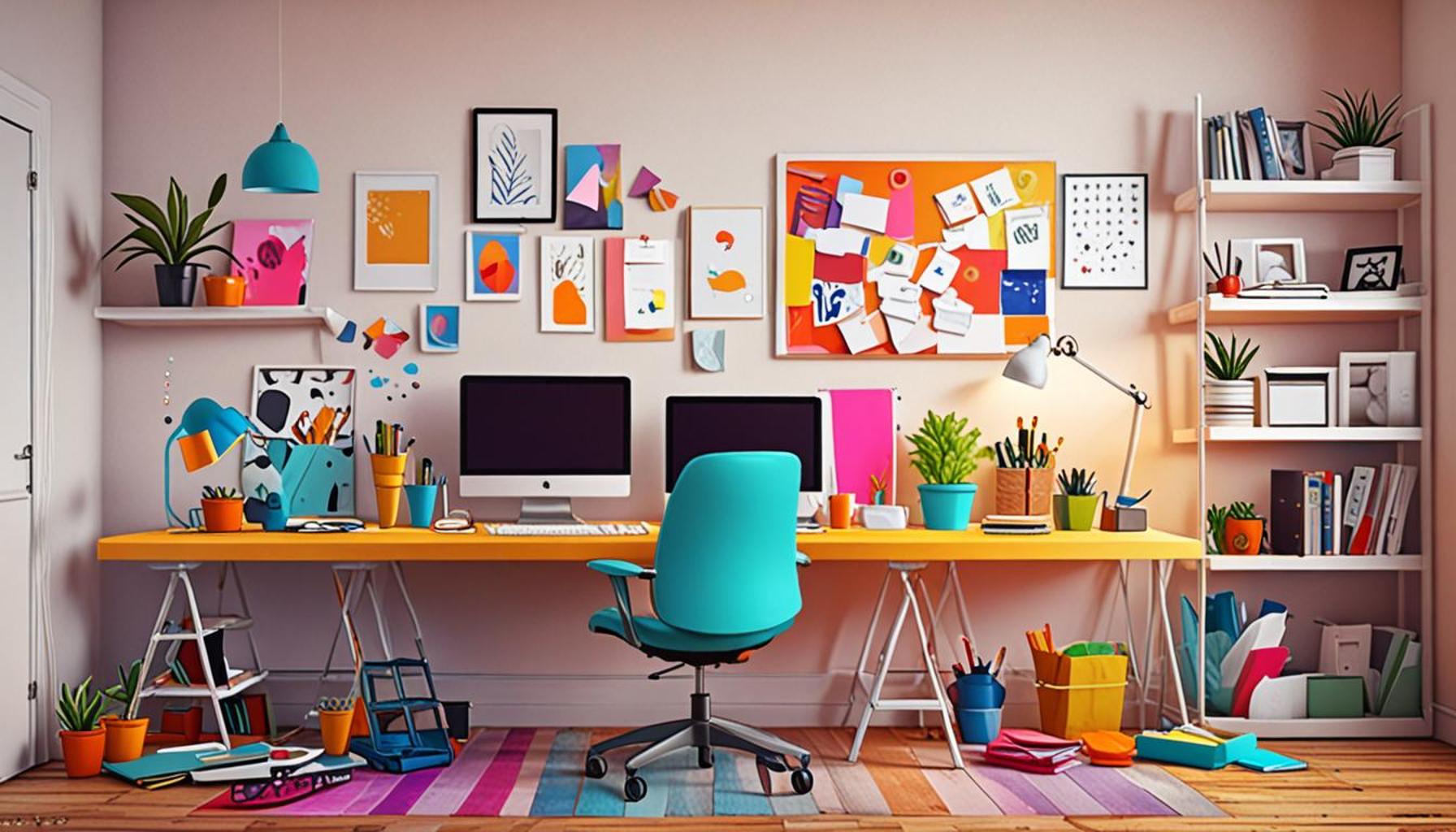
Reduction of Clutter and the Importance of a Functional Living Space: Practical Tips for Your Home
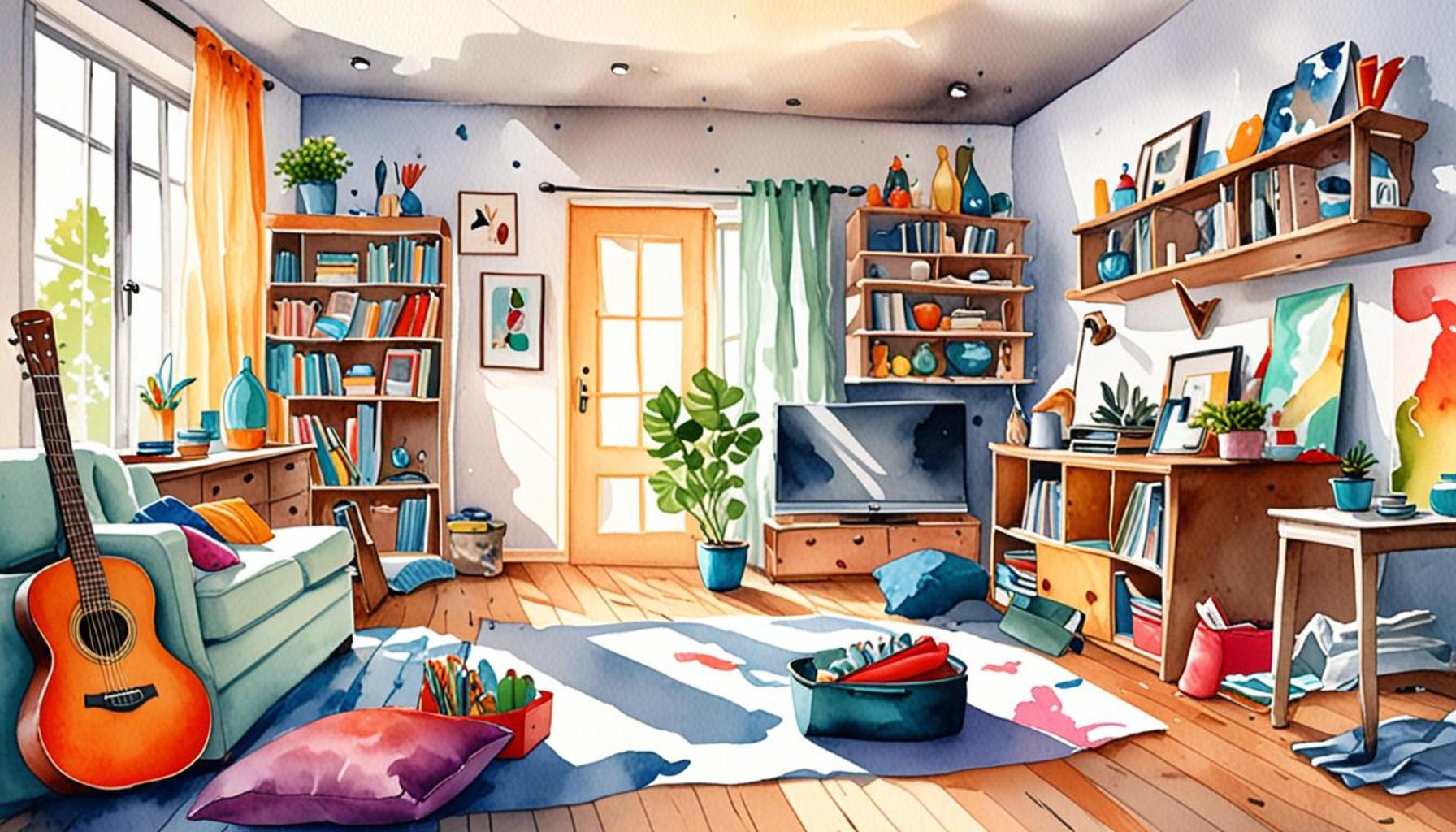
Embracing Minimalism for a Better Life
In today’s fast-paced world, reducing clutter has become essential for maintaining mental well-being and productivity. A well-organized living space can act as a sanctuary, promoting peace of mind and enhancing focus. But how do you achieve this in the hustle and bustle of everyday life? The journey towards minimalism begins with recognizing the emotional and psychological toll that excessive clutter can impose on our lives.
Benefits of a Functional Living Space
- Increased Efficiency: Quick access to essentials can save precious time. For instance, a kitchen organized with only necessary utensils can streamline meal preparation, making it quicker and more enjoyable.
- Enhanced Aesthetics: Clean spaces foster an inviting atmosphere, conducive for relaxation. Imagine coming home to a tidy living room where every item has its place, creating an environment where you can unwind after a long day.
- Boosted Creativity: A clutter-free environment encourages free thought and innovation. Artists and writers often find inspiration when surrounded by a minimalistic workspace, facilitating a deeper connection with their craft.
For many households in Nigeria, the challenge is not just dealing with limited space, but also navigating the cultural tendency to accumulate items over time. Consider the vibrant markets and the diverse array of goods available; it is all too easy to get tempted into bringing home souvenirs and non-essential items. Embracing functional living requires a mindset shift where the focus is on utility and necessity, allowing individuals to curate rather than accumulate.
Practical Tips to Consider
Implementing changes may seem daunting, but even small adjustments can lead to significant improvements. Here are a few actionable steps to kickstart your journey toward a more minimalistic lifestyle:
- Identify areas in your home that suffer from clutter. Common hotspots include closets, under-bed spaces, and kitchen countertops where items tend to pile up over time.
- Invest in smart storage solutions that maximize space, such as multi-functional furniture or vertical storage options. In cities like Lagos or Abuja, where homes are often smaller, maximizing every square inch can make a significant difference.
- Regularly evaluate items to determine necessity. Create a routine—perhaps quarterly—where you reassess your belongings, donating or discarding anything that no longer serves a purpose in your life.
Understanding the impact of clutter goes beyond simple aesthetics—it’s about improving your quality of life. A functional living space not only reduces stress but also enhances your overall well-being. Dive in as we explore practical tips to create a harmonious and functional living space that meets the needs of your lifestyle, paving the way for a more tranquil, efficient life in our busy world.
CHECK OUT: Click here to explore more
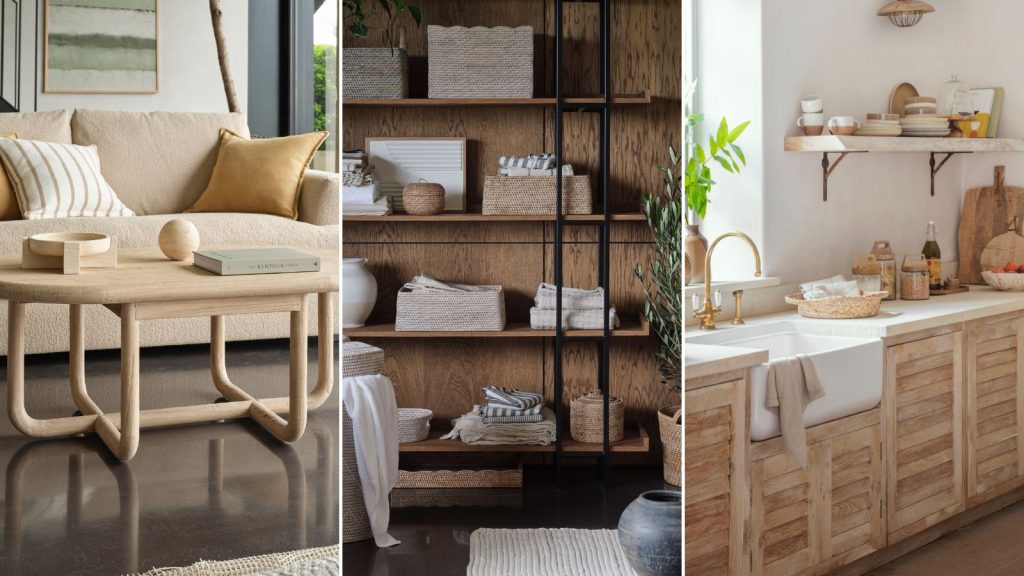
Transforming Your Home into a Sanctuary
Achieving a functional living space is not merely about aesthetics; it’s about fostering an environment that improves your mental clarity and emotional stability. A cluttered home can lead to feelings of overwhelm and distraction, making it difficult to focus on daily tasks or unwind after a hectic day. The good news? With a few simple changes, you can create a space that not only looks good but also serves your needs efficiently.
Understanding the Impact of Clutter
The accumulation of items can create a psychological burden that affects productivity and well-being. Studies show that individuals in cluttered environments may experience increased stress levels, hindering their ability to concentrate. For many Nigerians, this clutter often comes from a blend of cultural sentiments—holding on to items that carry memories, souvenirs from travels, or even gifts from loved ones. While these items may hold sentimental value, their presence can contribute to a chaotic living space.
Establishing a Routine for Decluttering
Creating and maintaining a functional living space requires a dedicated routine. Here are some practical steps to incorporate into your decluttering process:
- Set Clear Goals: Specify what a clutter-free space looks like for you. Whether it’s a clean kitchen or a minimalistic living room, having a vision will guide your efforts.
- Start Small: Tackle one area at a time to avoid feeling overwhelmed. Focus on a single shelf or drawer each day, progressively working towards larger spaces.
- Utilize the One-Year Rule: If you haven’t used an item in the past year, consider letting it go. This rule can help you distinguish between what’s essential and what is merely taking up space.
- Embrace Digital Solutions: In today’s digital age, many records and documents can be stored electronically. Scan important papers and limit physical copies to reduce desk clutter.
Implementing these strategies not only contributes to a more organized environment but also promotes a mindful way of living. As you reduce clutter, you pave the way for clearer thoughts and enhanced creativity.
Creating Abundant Storage Solutions
In densely populated areas like Lagos and Abuja, where space can be quite limited, innovative storage solutions are crucial. Consider the following:
- Vertical Storage: Utilize wall-mounted shelves or pegboards to keep items off the ground and declutter your floor space.
- Multi-Functional Furniture: Invest in furniture pieces that offer storage options, like ottomans with hidden compartments or beds with drawers underneath.
- Baskets and Bins: Use labeled baskets for easy access to small items in living rooms, kids’ play areas, or bedrooms, making organization straightforward and efficient.
By embracing the journey of minimalism, you are taking the first steps towards transforming your home into a sanctuary that reflects your values and enhances your lifestyle. This process requires commitment and continual reflection on what truly adds value to your life. The road to a clutter-free existence may be challenging, but it is one well worth traveling.
| Advantages | Practical Tips |
|---|---|
| Enhanced Mental Clarity | By reducing junk, you create mental space, aiding concentration and productivity. |
| Improved Functionality | Organize your belongings with clearly defined storage spaces for easy access and efficient use of your home. |
| Stress Reduction | A clean, functional living space reduces anxiety, promoting peace and relaxation. |
| Better Aesthetics | Decluttering allows your home’s design to shine, creating an inviting atmosphere. |
In exploring the benefits of clutter reduction, it’s crucial to recognize that a well-organized, functional living space not only enhances daily living but also contributes to overall happiness. Practical tips such as categorizing items, using storage solutions, and committing to regular decluttering sessions can transform your home environment. For instance, implementing a “one in, one out” rule ensures that when you acquire something new, something old goes, sustaining the clutter-free space. This strategy doesn’t just apply to physical objects; it also instills a mindful approach to how we manage our surroundings. Understanding how to create a sanctuary in your own home can lead to benefits that extend beyond the walls, positively influencing your day-to-day life, mental wellbeing, and overall productivity.
SEE ALSO: Click here to read another article
Maximizing Your Space with Intentional Design
As we strive for a functional living space, it’s essential to recognize the role that intentional design plays in creating an organized and inviting home. Every piece of furniture and decor should serve a purpose, contributing not only to the aesthetic of a space but also enhancing its functionality. By prioritizing intentional design, you can alleviate the feeling of chaos that often accompanies cluttered environments.
Color Psychology and Its Role in Space
The colors you choose for your walls and decor can significantly impact the perceived space in your home. Lighter colors, such as whites and pastels, create an illusion of openness and can make a small room appear larger. In contrast, darker shades tend to make spaces feel cozier but can also feel cramped if overused. In a country like Nigeria, where vibrant colors are often celebrated, consider using bold hues as accents rather than dominating every wall. This balance can create a lively yet open atmosphere, encouraging creativity and tranquility.
Implementing Smart Organization Techniques
Adopting smart organization strategies can drastically affect your home’s functionality. Here are a few actionable tips:
- Zone Your Space: Categorize areas of your home based on activities. For instance, your kitchen should focus on cooking essentials, while your living room can emphasize relaxation and entertainment. This approach minimizes movement between spaces and keeps everything you need within reach.
- Regularly Evaluate Your Items: Make it a habit to routinely check your belongings to assess their usefulness. Implementing a quarterly review can encourage awareness of what you own and help in identifying items that no longer serve a purpose.
- Follow the ‘One In, One Out’ Rule: To prevent new clutter from accumulating, consider adopting a policy where for every new item that enters your home, an old item must be discarded or donated. This simple practice can lead to minimalism over time and preserve the functionality of your living space.
The Importance of a Decluttered Mind
The process of reducing clutter extends beyond physical items; it also involves mental decluttering. Mental clutter can take many forms, from endless to-do lists to digital notifications that interrupt your focus. In an age where distractions are rampant, setting boundaries for technology use is vital. Designate specific times to check messages and social media, allowing yourself uninterrupted time to engage in hobbies or complete household tasks. The calmer mind often leads to a more organized living space, as clarity can bring forth decision-making in what to keep and what to let go.
Engaging Family in the Decluttering Process
In Nigerian households, where family dynamics play a significant role, involving all members in the decluttering process can lead to a more cohesive living environment. Schedule a family ‘declutter day’ where everyone can participate. This can make the task feel less daunting and cultivate a sense of shared responsibility. Teach children the importance of only keeping items that bring them joy or are beneficial, instilling in them the value of an organized, functional space from a young age.
Through intentional design and collective efforts, you can transform not only your living space but also your mindset towards clutter. This journey towards minimalism and functionality invites you to reflect on what truly resonates with you and ultimately enriches your home life.
ADDITIONAL INSIGHTS: Expand your understanding here
Conclusion: Embracing Clarity for a Harmonious Home
In conclusion, the reduction of clutter and cultivating a functional living space are not merely tasks; they are essential for fostering a serene and productive home environment. By adopting intentional design principles, utilizing color psychology, and implementing strategic organization techniques, you pave the way for a space that not only reflects your unique personality but also enhances your daily functionality. The integration of vibrant hues and strategic zoning further elevates the ambiance, aligning with the rich cultural fabric of Nigerian living.
Moreover, mental decluttering plays a crucial role in achieving holistic balance. By fostering a decluttered mind alongside your physical space, you empower yourself to make clearer decisions and enjoy uninterrupted focus—factors that are often overlooked in today’s fast-paced world. Involving family members in this journey not only reinforces shared responsibility but also engrains the values of organization and minimalism in younger generations.
The benefits of a decluttered home extend far beyond aesthetics; they contribute significantly to one’s overall well-being and happiness. As you embark on this path toward minimalism, remember that each action taken, no matter how small, contributes to a more organized life. Take decisive steps today; your future self—and your living space—will be grateful.