Reducing Clutter in the Family: Involving Children and Adults in an Organized Environment

The Impact of Clutter on Daily Life
In many households, clutter can silently accumulate, transforming spaces into chaotic environments. This accumulation not only affects the physical space but also impacts mental well-being significantly. The chaos of disorganized spaces can create a backdrop for stress and anxiety, clouding the ability to focus and function effectively.
Compelling Reasons to Address Clutter
Considering the myriad of reasons to tackle clutter can inspire families to take action together:
- Improved focus: Organized spaces lead to better concentration and productivity. For instance, a tidy study area encourages children to do homework without distractions, while an orderly kitchen can expedite meal preparation.
- Health benefits: Reducing clutter can decrease stress and anxiety levels. A well-maintained home environment can contribute to lower blood pressure and improved overall mental health, making it easier for families to interact positively.
- Life skills: Teaching children the value of organization promotes responsibility and discipline. When children participate in decluttering, they not only learn how to keep their spaces tidy but also develop a sense of ownership over their belongings.
The Cultural Context of Decluttering in Nigeria
In Nigeria, where family ties and collaboration are integral to daily life, creating an organized environment is not merely about aesthetics. It fosters teamwork and instills a sense of shared responsibility among family members. Culturally, the Nigerian ethos emphasizes community, and decluttering can elucidate these values further.
Involving each family member in decluttering is vital. Begin with small, manageable tasks—like having children sort their toys or assist with organizing clothes. Engaging them in the process helps them develop a connection with their possessions, teaching them to value what they have. The joy of seeing a clean space after their effort can cultivate a long-lasting habit of maintaining order.
Creating a Lasting Habit
This practice of decluttering should extend beyond mere participation; it must become a shared ritual. Families can establish regular decluttering days, turning a potentially tedious chore into an engaging family event that fosters stronger bonds and communication. Over time, these shared experiences can become foundational life lessons, reinforcing values that resonate deeply within the rich culture of Nigeria.
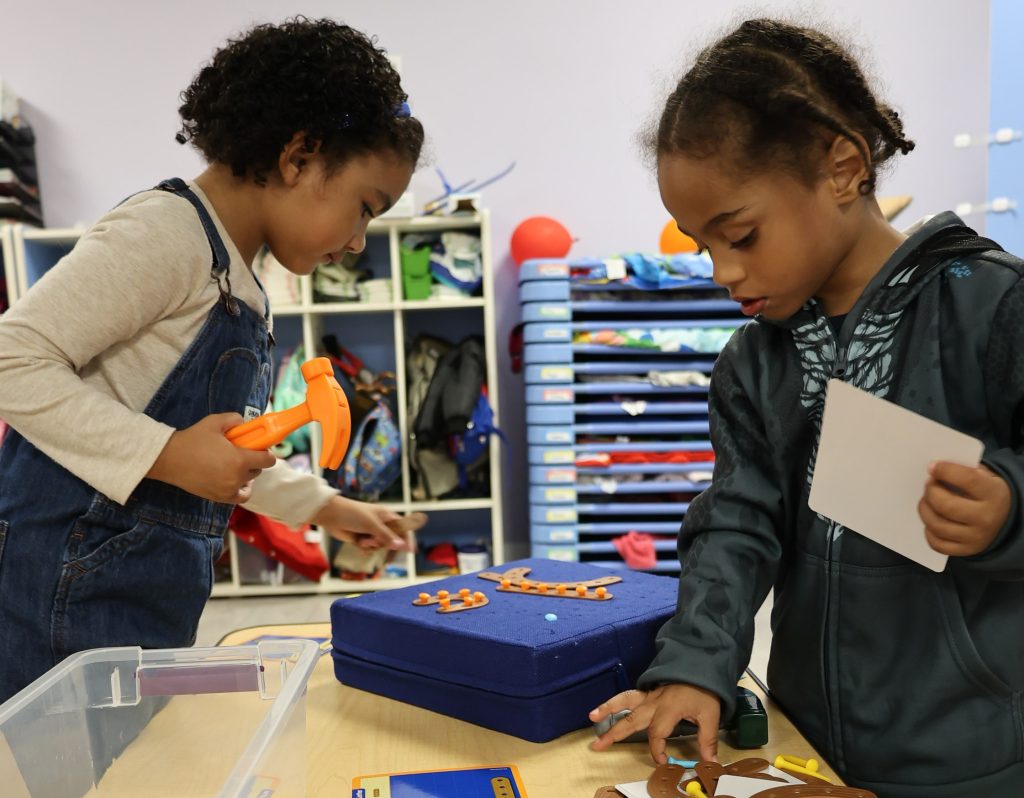
Ultimately, maintaining an organized home transforms how families interact, work, and live, proving that even the smallest actions can lead to significant positive changes.
ADDITIONAL INSIGHTS: Expand your understanding here
Practical Steps for Involving the Entire Family
Embarking on the journey of reducing clutter in the family requires a practical approach that encourages participation from both children and adults. By integrating everyone into the process, families can cultivate a culture of organization that transcends mere tasks and evolves into valuable life skills.
Setting Clear Goals
The first step involves establishing clear and achievable goals. Families should sit together to discuss what areas of the home need decluttering. Whether it’s the children’s playroom overflowing with toys or the living room cluttered with magazines, setting specific goals can create a sense of direction. Consider using the SMART goals framework—specific, measurable, achievable, relevant, and time-bound—to ensure a focused approach. For example, you might set a goal like, “In one month, we will organize the toy room by categorizing toys and donating items no longer in use.”
Creating a Decluttering Plan
Following goal-setting, it’s helpful to devise a decluttering plan. This should outline tasks and assign roles to each family member, ensuring everyone feels invested in the process. Here’s a simple framework for organizing the decluttering plan:
- Designate areas: Assign specific areas of the home to family members, allowing them to own the responsibility of organizing those spaces.
- Schedule sessions: Set aside regular family decluttering days, perhaps once a month or bi-weekly, during which everyone can gather and tackle their assigned tasks.
- Encourage teamwork: Foster an atmosphere of collaboration where family members help one another with organizing projects, thus strengthening relationships while accomplishing the overall goal.
Incorporating Fun and Creativity
Decluttering doesn’t have to be a mundane chore. Families can introduce fun elements to the process. For instance, they can turn it into a game: whoever can donate the most items can choose the weekend family activity. This strategy instills a sense of accomplishment and fun, making children enthusiastic about participating.
Another engaging way to involve children is through creative sorting techniques. Allow children to visually categorize their belongings by colors, sizes, or themes, making the process more interactive. Incorporating storytelling, like discussing memories associated with certain items, can also deepen their connection to their possessions while encouraging the decision to keep or donate.
Establishing a decluttering routine helps normalize the practice within the family dynamic. By continuously involving all members, families create an atmosphere not only conducive to organization but also rich in shared experiences and values. In a world where clutter can overwhelm, a structured approach helps to forge lasting habits that contribute to a more peaceful and organized home. As you discover the methods that resonate with your family, remember that small, consistent efforts yield the most profound results.
Incorporating Family Participation in Organization
Involving both children and adults in the process of reducing clutter is essential for creating a cohesive and organized environment. Engaging children not only fosters responsibility but also teaches them valuable skills in organization and time management that will benefit them throughout their lives. Parents can create a family organization system that includes everyone’s input, making the task of decluttering less daunting and more collaborative.
Strategies to Foster Involvement
One effective strategy is to establish designated chores for every family member, transforming the decluttering process into a fun, team-focused activity. Use motivational tools like checklists or charts to track progress and celebrate milestones. This not only encourages participation but also builds a sense of accomplishment. Organized environments have been shown to reduce stress and enhance productivity, benefiting the entire family.
Balancing Emotions and Practicality
Another aspect to consider is the emotional attachment to items. Teach children to evaluate possessions based on their value and utility rather than sentiment. Incorporating a “keep, donate, or discard” policy can streamline the decluttering process while also imparting crucial lessons about giving back to the community. This family-focused approach not only enhances communication within the household but also cultivates a culture of organization that can be passed down through generations. As adults model these behaviors, children are likely to adopt them, making organization a habitual part of their lives.
| Category | Advantages |
|---|---|
| Family Collaboration | Encourages teamwork and strengthens family bonds |
| Teaching Responsibility | Children learn to value their belongings and understand the significance of organization |
| Reducing Stress | An organized environment lowers anxiety levels and promotes focus |
| Emotional Growth | Facilitates emotional regulation and decision-making skills in children |
Such strategies can transform the often-negative perception of organization into a rewarding experience for everyone involved. By fostering parental guidance alongside encouraging children in the decluttering process, families can build an organized environment that thrives on collaboration and mutual respect.
SEE ALSO: Click here to read another article
Building Lasting Habits and Mindsets
After implementing practical steps to declutter, the next phase focuses on nurturing lasting habits and cultivating mindsets that promote a clutter-free environment. This is as vital as the initial decluttering process because the sustainability of organization relies on the family’s ongoing commitment.
Establishing Daily and Weekly Routines
To keep clutter at bay, families should create daily and weekly cleaning routines. For instance, dedicate 10-15 minutes nightly after dinner for each family member to tidy up their personal spaces. Children can be encouraged to put away their toys, while adults declutter shared areas, like the kitchen or living room.
Moreover, Sunday can be turned into “Clean-Up Day,” where the family collectively tackles any build-up of clutter that has occurred over the week. This not only reinforces the habit of regular organization but also creates a routine that everyone can depend on, making cleaning less of a burden and more of a family affair.
Emphasizing the Value of Minimalism
One way to involve children in the decluttering journey is to educate them on the principles of minimalism. Discussing the benefits of a clutter-free space, such as reduced stress and improved focus, can help children appreciate the importance of organization from a young age.
Consider sharing real-life examples of how minimalism simplifies daily life. In Nigeria’s bustling urban centers, many families find themselves overwhelmed by material possessions, which can lead to stress and disorganization. Bring to light stories of families who have consciously chosen to declutter their lives, such as those who have downsized their living spaces to create a more sustainable and peaceful home environment.
Fostering Responsibility through Ownership
Involving children in the decluttering process fosters a sense of responsibility over their possessions. When they learn to evaluate what they own, they develop critical decision-making skills. Encourage them to regularly assess their belongings with an “In” and “Out” approach: items they love or use frequently can stay while those that no longer serve them can be donated to local charities or community programs.
In Nigeria, organizations often accept clothing, toys, and furniture donations. Highlighting the positive impacts of giving back can give children a sense of achievement, knowing that their decluttered items can bring joy to others in need. This exercise nurtures empathy and a willingness to make room for new and meaningful items in their lives.
Celebrating Progress as a Family
Recognition plays a pivotal role in reinforcing the decluttering mindset. Families should regularly celebrate their organizing successes, big or small. After completing a decluttering session, perhaps treat the family to a local meal or a day out at an amusement park. This reinforces positive behavior, motivates children to participate enthusiastically, and establishes a culture of appreciation for organized spaces.
As families continue their journey of reducing clutter, featuring open dialogue about challenges and successes enhances the process. Conversations about what worked, what didn’t, and adjustments needed help keep everyone engaged and invested. By building a supportive community within the family, reducing clutter transforms from a chore into a way of life—reflecting deeper values of care, responsibility, and harmony within the home.
CHECK OUT: Click here to explore more
Embracing a Harmonious Home
In conclusion, reducing clutter in the family is not merely a task but a holistic journey that encompasses both children and adults, fostering a shared sense of responsibility and teamwork. By establishing simple yet effective routines, families can create a structured environment that facilitates both individual and collective efforts in maintaining cleanliness and organization. Cultivating lasting habits, such as regular decluttering sessions and celebrating progress, strengthens familial bonds while instilling valuable life skills in children.
Moreover, embracing minimalism and the principles of ownership ensures that every family member understands the value of their possessions. This approach not only teaches children to make thoughtful decisions about what they keep but also emphasizes empathy through the act of giving. In a society where many struggle with excess, this shared responsibility can lead to a more meaningful and stress-free environment.
Ultimately, an organized home reflects deeper values of care, responsibility, and cooperation. As families engage in ongoing conversations about their challenges and victories, they transform clutter reduction from a daunting chore into a sustainable lifestyle choice. By committing to this shared journey, families in Nigeria and beyond can cultivate spaces that are not just free of clutter but also filled with harmony, creativity, and joy. It is time to take the first steps towards embracing a clutter-free, organized, and loving home that benefits everyone.