Reduction of Clutter and Its Impact on Mental Health: How an Organized Environment Can Reduce Stress and Anxiety

The Transformative Impact of Organized Living
In today’s fast-paced world, maintaining an organized environment is often overlooked, yet it holds significant importance for our mental well-being. The connection between clutter reduction and mental health is profound and multifaceted. A cluttered space can lead to increased feelings of stress and anxiety, impacting overall happiness and productivity. Many Nigerians, especially within urban areas like Lagos or Abuja, feel the strain of everyday life compounded by the physical and mental burden of clutter. The essence of decluttering transcends mere tidiness; it impacts the way we live, work, and interact with others.
Research suggests that an unorganized environment can contribute to:
- Stress and Anxiety: Clutter can evoke feelings of being overwhelmed, making simple tasks seem monumental. For instance, during the bustling festive period, homes may overflow with not just personal belongings but also guests, which can be a source of tension.
- Reduced Focus: Visual distractions hinder concentration and cognitive function, making it challenging to tackle work or engage in meaningful conversations. Many students preparing for examinations find themselves unproductive in cluttered study spaces.
- Lower Productivity: Spending time searching for items instead of being productive diminishes efficiency. The Nigerian proverb “Time is money” rings especially true in work environments where disorganization can stifle progress.
In Nigeria, where communal living often coexists with individual spaces, the challenges of clutter can be even more pronounced. From crowded markets to small living quarters, the accumulation of items can create additional stress. Moreover, societies that emphasize community often focus on maintaining appearances, which compounds the pressure to keep spaces orderly, especially during gatherings.
So, how does organizing your space translate to improved mental health? Numerous studies have revealed that a clean and structured environment may:
- Enhance Mood: A tidy space promotes a sense of control and contentment, which is crucial for emotional well-being. A simple act, like making your bed each morning, can set a positive tone for the day.
- Boost Creativity: A clear mind stems from a clear space. For artists and entrepreneurs, an organized environment can lead to bursts of creativity and innovative ideas, ultimately driving success.
- Encourage Relaxation: Reduced visual stimuli help lower stress levels, enabling individuals to unwind after a long day. Strategies such as incorporating greenery or using soothing colors can transform a chaotic home into a serene sanctuary.
Join us as we delve deeper into the strategies for reducing clutter and exploring its comprehensive effects on mental health. From adopting minimalist principles to the benefits of regular organization routines, we invite you to discover how a decluttered space can be a powerful step toward enhancing your overall quality of life.
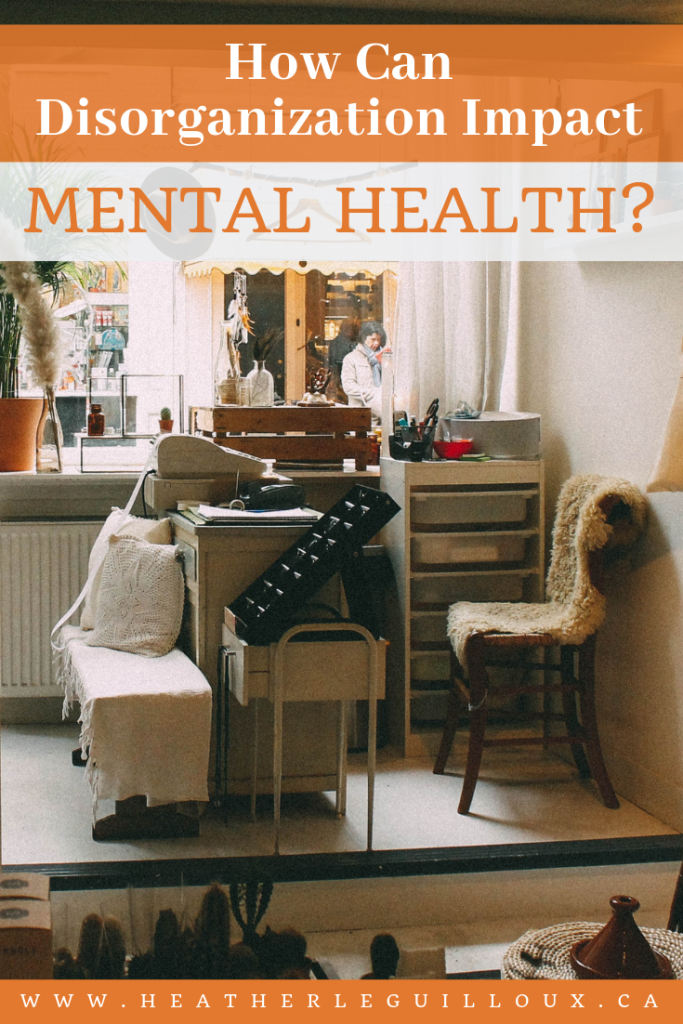
ADDITIONAL INSIGHTS: Expand your understanding here
Understanding the Psychological Toll of Clutter
As we navigate through the complexities of urban life, especially in bustling cities like Lagos and Abuja, the physical manifestations of clutter can often mirror our mental chaos. This connection is not merely anecdotal; there are substantial psychological implications tied to our living environments. Clutter has been identified as a significant contributor to increasing levels of stress and anxiety, and understanding these dynamics is the first step towards turning the tide.
Studies reveal that when individuals are surrounded by disarray, they tend to experience a pronounced sensation of being overwhelmed. This feeling can arise from encountering too much visual information all at once, which can lead the brain to struggle in prioritizing tasks. Here are some of the noteworthy consequences of living amidst clutter:
- Elevated Anxiety Levels: Clutter can act as a constant reminder of tasks that are left undone, fostering a sense of anxiety. Nigerians often contend with a plethora of responsibilities, from work commitments to family obligations. Adding disorganization to the mix can exacerbate these feelings.
- Impeded Decision Making: Too much clutter can result in paralysis when making decisions, as the brain finds it challenging to sift through competing stimuli. This is particularly evident during festive seasons when individuals are pressured to prepare for parties or family gatherings.
- Lack of Energy: A chaotic living environment can drain one’s energy, making it harder to engage with family, pursue hobbies, or perform efficiently at work. Many people may find themselves going through the motions of daily life without the enthusiasm that arises from a peaceful space.
Interestingly, the concept of control plays a pivotal role in determining our emotional state. The more visual disorder a person faces, the less control they may feel over their environment, leading to heightened levels of stress. In communities where peer perceptions matter significantly, individuals may be pressured to maintain an image of orderliness, resulting in further social stress. The act of decluttering thus emerges as a pathway to restoring balance and control, impacting mental health positively.
Additionally, organized environments foster productivity, which is a crucial factor in today’s competitive job market. People who work from home, for instance, often find that an orderly workspace can lead to more focused and productive sessions. Creating small, manageable systems, such as organizing paperwork or designating specific spots for items, can significantly enhance overall efficiency.
In exploring how to significantly reduce clutter, it’s essential to recognize that the process doesn’t just refer to physical items crammed into one space. It also involves the mental burden we carry, which can be just as overwhelming. Techniques like the KonMari method, known for its “spark joy” principle, invite individuals to reflect on the emotional connection to their belongings, encouraging a deeper understanding of what truly adds value to their lives.
By adopting intentional decluttering techniques and understanding the psychological benefits of an organized environment, individuals can take a crucial step towards enhancing their mental well-being and overall quality of life. Up next, we will delve into practical strategies for reducing clutter and fostering an environment conducive to peace and productivity.
Understanding the Connection Between Clutter and Mental Well-being
Clutter can significantly impact mental health, leading to feelings of being overwhelmed and anxious. When our environments are disorganized, it can be challenging to focus and find tranquility. A study conducted by researchers at the University of California found that individuals living in cluttered homes experienced higher levels of cortisol, a stress hormone. This demonstrates that a chaotic environment can directly correlate with increased stress levels.Moreover, an organized space promotes clarity and enhances productivity. By reducing distractions, individuals can think more clearly and experience a greater sense of control over their lives. This sense of order fosters a calming effect, encouraging mindfulness and helping individuals to navigate their daily tasks with ease.Creating an organized environment involves implementing systematic approaches to decluttering. Techniques such as the KonMari method or regularly scheduled tidy-ups can make a notable difference in mental health. Not only do they allow for easier navigation through daily routines, but they also cultivate an atmosphere that enhances relaxation and mental focus.It’s essential to recognize that our surroundings have power over our emotional state. A tidy space can significantly contribute to a positive mindset. In contrast, visual clutter often makes it challenging to unwind, impacting sleep quality and overall emotional balance.
The Benefits of Clutter Reduction
In addition to improved mental clarity, reducing clutter can lead to enhanced creativity. A well-organized environment allows ideas to flow freely without the burden of distractions. Many artists and innovators highlight the importance of minimalism in their workspaces, illustrating how an uncluttered mind breeds inspiration.Moreover, the act of decluttering itself can be therapeutic. It provides a sense of accomplishment, boosting mood and self-esteem. As items are removed, individuals often experience relief and a regained sense of agency over their surroundings.For those struggling with anxiety, a clutter-free environment can serve as a safe haven. Knowing that their space is organized can reduce overwhelming feelings and create solace amidst daily stresses. The impact of an organized home cannot be understated; it opens the door to a healthier mindset and improved emotional resilience.By understanding and actively managing the clutter in our lives, we can create a more balanced and healthier pathway to emotional well-being. As the journey to decluttering begins, individuals may find the peace of mind they’ve long sought, paving the way for a harmonious lifestyle.
| Category | Impact on Mental Health |
|---|---|
| Reduction of Anxiety | Clutter reduction leads to lower stress and anxiety levels by promoting a calming environment. |
| Improved Focus | An organized space facilitates better concentration and mental clarity, helping to clear distractions. |
SEE ALSO: Click here to read another article
The Benefits of an Organized Environment on Mental Well-being
As we unpack the significance of reducing clutter, it’s increasingly evident that an organized environment is more than just aesthetically pleasing; it is a transformative agent for mental health. The correlation between decluttering and a decrease in stress and anxiety has gained recognition among psychologists and organizational experts alike. Let’s explore various ways in which maintaining a clutter-free space can enhance mental well-being.
One prominent benefit of an organized environment is the promotion of mindfulness. When our surroundings are orderly, it becomes easier to engage in mindful practices such as meditation or deep breathing. These practices, essential for stress reduction, are often hindered by clutter. A clear space can create a calm atmosphere, allowing individuals to redirect their focus inward and cultivate a greater sense of peace. For instance, in cities like Lagos, where noise and busyness are constant, having a serene nook free from clutter could significantly enhance one’s ability to meditate and unwind.
Moreover, an organized environment can facilitate better emotional regulation. A study published in the journal “Personality and Social Psychology Bulletin” highlights that individuals in orderly environments tend to have improved self-control and are generally more productive. This finding resonates deeply with the fast-paced lifestyle of Nigerians, where maintaining focus is crucial for success at work and home. In contexts where distractions are rife, such as during the dry season with its increased social events, keeping spaces organized can help individuals prioritize their tasks and manage their time effectively.
Additionally, the emphasis on decluttering may carry social benefits that extend beyond personal mental health. In many Nigerian cultures, hospitality and communal gatherings are paramount. Maintaining a tidy home is often seen as a reflection of respect for guests, and it can significantly elevate the atmosphere during family visits or parties. The “Ember months,” with celebrations, year-end reviews, and gatherings, underscore the importance of a well-kept environment, as it reduces the potential anxiety associated with hosting while simultaneously fostering a sense of pride.
Transitioning deliberately to an organized lifestyle may also yield long-term benefits. Research has demonstrated that consistent decluttering can lead to a sustained increase in happiness and life satisfaction. Adopting smaller, manageable goals when it comes to organizing spaces can provide a strong sense of achievement, creating a positive feedback loop that encourages further efforts. For instance, dedicating just 10 minutes daily to sort through a messy drawer can lead to noticeable results over time, contributing to an overall sense of order in one’s life.
Furthermore, engaging in decluttering activities can serve as a form of self-care. The act of sorting through items allows individuals to reflect on their past experiences and emotions associated with their belongings. This introspection may promote healing from past traumas or difficult experiences, fostering a greater sense of self-awareness in the process. In many Nigerian households, where there might be a tendency to hold on to items with sentimental value, this exercise can help in letting go of what no longer serves a purpose, balancing emotional attachments with practicality.
Ultimately, reducing clutter isn’t merely a changing of space but a comprehensive approach toward enhancing mental clarity and emotional health. As we further delve into effective methods and practical solutions for achieving this clean slate, it becomes essential to recognize the profound influence a simple, organized environment can have on our overall well-being in the dynamic landscape of daily life in Nigeria.
RECOMMENDED: Check out this similar article
Concluding Thoughts on the Serenity of an Organized Space
As we journey through the multifaceted relationship between clutter reduction and mental well-being, it becomes clear that creating an organized environment is not just a trend but rather a necessary lifestyle adjustment that can lead to profound changes in our mental health. The insights gleaned from exploring how a clutter-free space promotes mindfulness, emotional regulation, and overall happiness resonate powerfully within the fast-paced and often chaotic backdrop of Nigerian life.
By embracing decluttering as a form of self-care, individuals not only enhance their immediate surroundings but also foster long-term emotional resilience. The practice of tidying up serves as a tangible means of tackling feelings of overwhelm, allowing one to focus on what truly matters amid daily distractions. The positive ripple effects extend beyond personal comfort, creating inviting spaces for gatherings that honor both tradition and hospitality, especially during Nigeria’s culturally rich seasons.
To maximize these benefits, progressing toward organization should be seen not as a daunting task but as a series of achievable goals. Such manageable efforts make the journey rewarding—a reminder that even small changes can lead to significant improvements in mental clarity and emotional stability. Ultimately, reducing clutter is emblematic of a deeper desire for control and peace within ourselves, leading to a richer, more fulfilling life. As you reflect on your own space, consider the mental health benefits awaiting through the transformative power of an orderly environment. Take that step today towards a calmer mind and a happier life.